
The Best Mediterranean Recipes for Every Craving
Want some cheesier, richer dishes or lighter fare? Try these Mediterranean recipes with lemon chicken and herbs, meatballs, baked zucchini, moussaka, cold gazpacho soup, green salads, and beef stew. Other ingredients often found in Mediterranean recipes include eggplant, tomatoes, olives, feta cheese, and other fresh herbs.
Reasons Mediterranean Foods Are Good Options
- Rich and Light Choices: Béchamel-topped moussaka or beef stew as rich main courses; gazpacho or other cucumber salads as lighter options.
- Bold Mediterranean Flavors: Lemon juice and other Mediterranean ingredients, including feta cheese, olives, herbs, and tomatoes, add bold, tangy, and salty flavors to meat and vegetarian dishes.
- Quick or Easy: Weeknight meal ideas include salads and chicken gyros. Weeknight meal ideas include moussaka and meals made in a slow cooker.
- Meat and Vegetables: Lamb and chicken dishes can be ordered with or without stuffed zucchini and roasted eggplant dishes. Some diners prefer meat dishes over vegetable dishes.
1. One-Pot Greek Meatballs and Orzo with Feta and Lemon
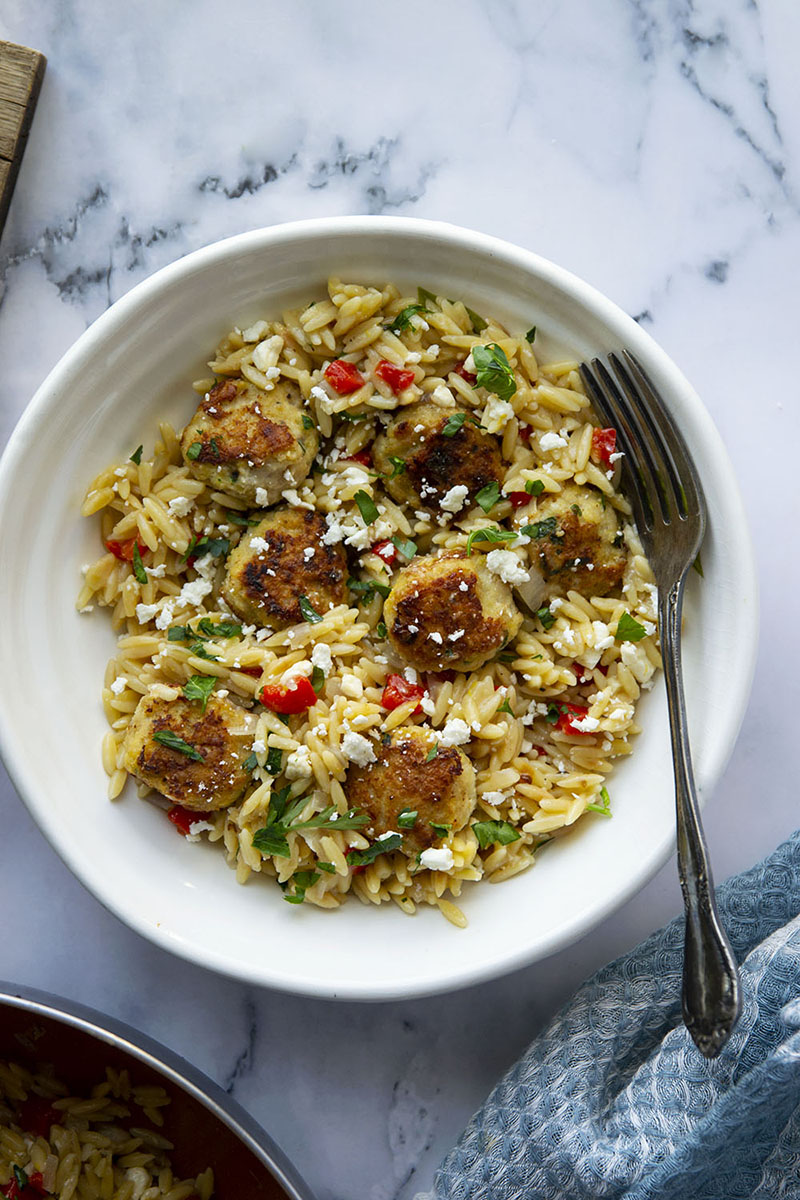
Cook the chicken meatballs according to the recipe, ideally up to four days ahead. Chop the shallot, garlic, herbs, peppers, and olives, ideally up to two days ahead. Cook the orzo and finish the skillet immediately before serving. Meal consists of one dish: chicken meatballs and orzo with feta cheese, roasted red peppers, and lemon juice in a Greek-inspired dish. Ground chicken is combined with panko, eggs, oregano, parsley, and garlic to prevent overworking the meat mixture. Cooked meatballs are added to the same pan with shallots and garlic to cook the shallots and orzo. Chicken broth is added to the pan, and orzo is cooked in the broth. Shredded feta cheese, roasted red peppers, olives, fresh herbs, lemon juice, and lemon zest are added to finished dishes. Orzo is cooked in broth with seasonings in one pan. Search for golden meatballs prior to their final cook and partially drained orzo with most of the liquid evaporated after the simmer. Orzo should be moist but not soupy when combined with feta and other ingredients. Avoid overmixing meatballs; lightly stir the orzo while cooking over medium heat. Serve warm with meatballs on cooked orzo. Side dishes of feta cheese and herbs are optional. For make-ahead meal planning and leftovers, divide the finished skillet into portions. Instructions recommend microwaving leftovers for one to two minutes, stirring every 30 seconds. Individual servings of orzo can save time preparing lunches during the week.
2. Greek Moussaka with Fried Vegetables and Golden Béchamel
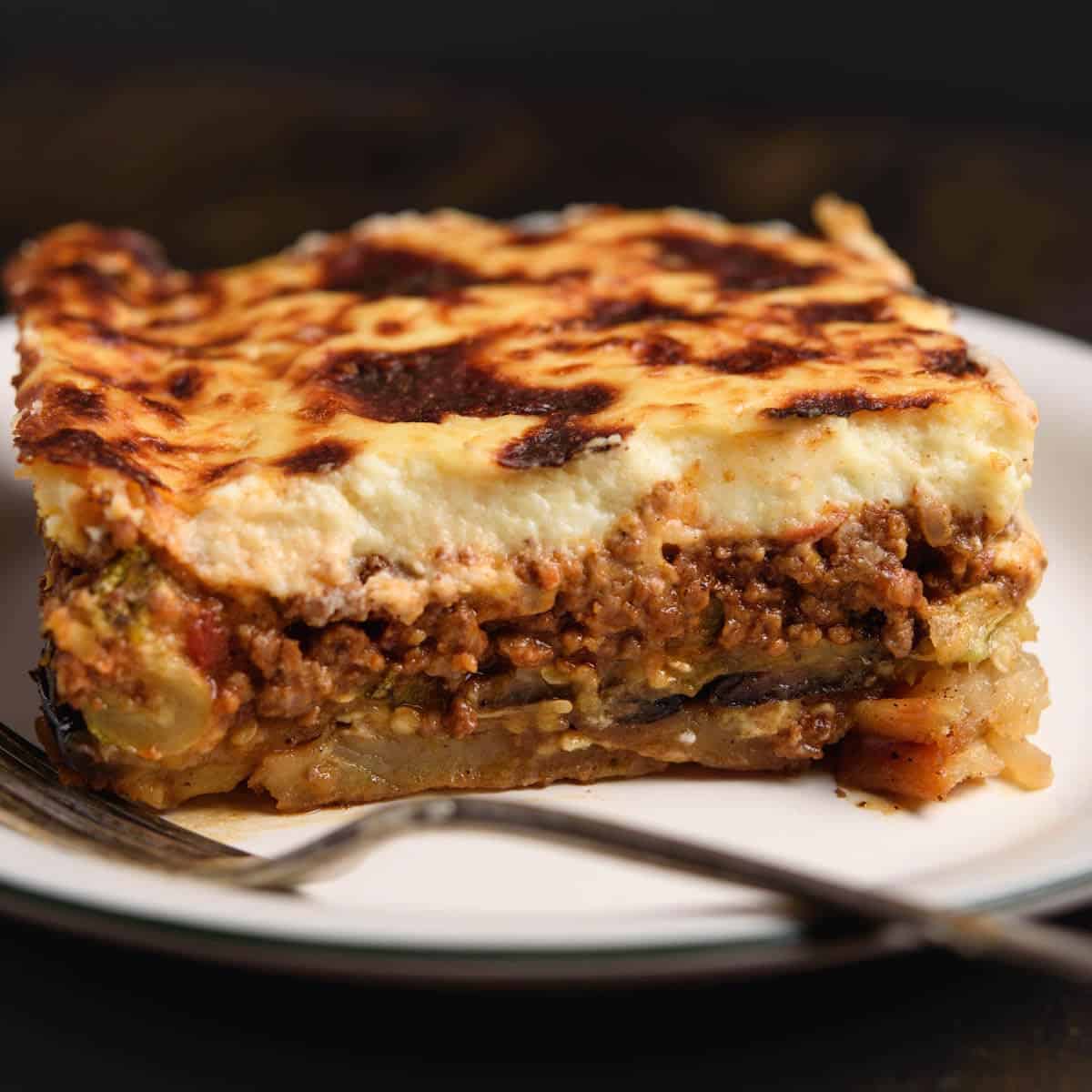
Greek moussaka is a family meal dish made with fried potatoes and eggplant and zucchini, layered with beef and tomato sauce, topped with a creamy béchamel sauce and cheese, then baked. The top is partially browned, and the vegetable layers are moist and creamy. The meat sauce contains onions, oil, ground beef, tomatoes, tomato paste, and spices like cloves, allspice, and cinnamon. Breadcrumbs are added to the meat sauce at the end of preparation to absorb juices during baking. The béchamel sauce is made with butter, flour, warm milk, eggs, nutmeg, and two cheeses. Combinations of hard cheeses and Kasseri, Provolone, or Gruyere cheeses create a thick, cheesy topping. While the sauce is cooking, prepare the vegetables to save cooking time. Partially cook or brown sliced potatoes and zucchini and brown eggplant. Drain on paper towels. Aim for a béchamel sauce that is only slightly thicker than custard before baking to prevent a tough top layer in the finished dish. Bake in a 9-by-13-inch pan. Let the moussaka sit for at least 30 minutes before serving to prevent it from falling apart. Eight servings should be sufficient for a family meal, with leftovers that can be refrigerated or frozen for future meals.
3. Easy Chicken Gyros with Lemon, Garlic, and Crisp Edges
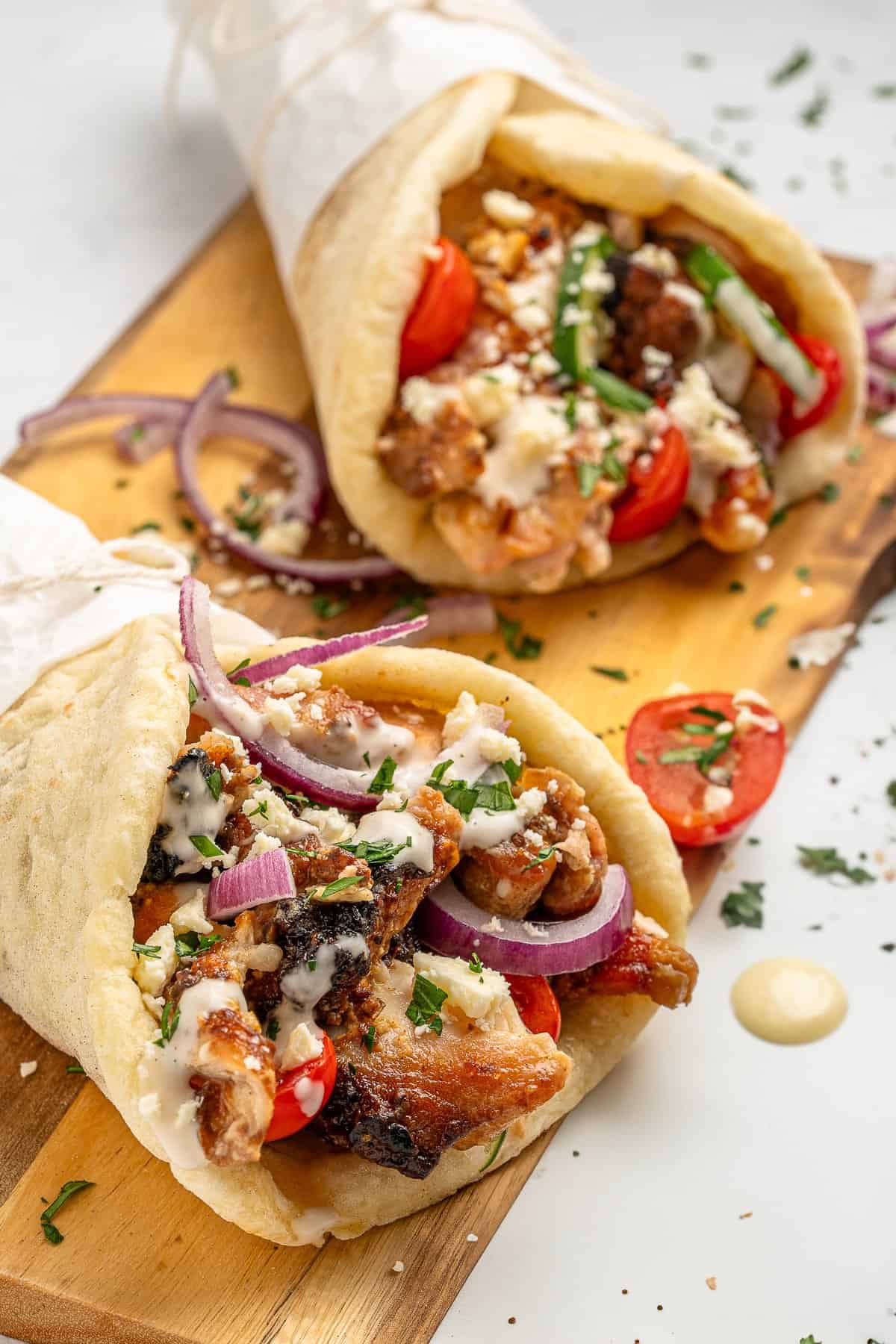
Easy Chicken Gyros make a quick pita-based meal for gyros lovers who don't have access to a rotisserie chicken. Boneless chicken thighs are arranged in a loaf pan and baked with toppings and spices, including lemon, garlic, yogurt, oregano, and other Greek flavors. The inside remains juicy, and the outside browns and crisps. Eleven boneless, skinless chicken thighs are coated with olive oil, lemon zest and juice, chopped garlic, salt, dried oregano, Greek seasoning mix, and plain yogurt. The key cooking method is to arrange the chicken thighs on their sides in a loaf pan to mimic spit-roasting and keep the thighs from falling off the baking sheet. When roasting an uncovered chicken, look for signs of browning and thighs tucked into the pan. Problems with uncovered roasting include excess juices in the pan to prevent browning. You might have to drain some juices and reserve them to continue roasting until the chicken browns or broil at the end of roasting time. Watch the chicken carefully when broiling because it browns quickly. Serve chicken with warm pita and cucumbers, tomatoes, arugula, and tzatziki or other dishes, including rice and vegetables, Greek lemon potatoes, and salad. Include olives and feta cheese and pickled red onions as more options. Store leftover chicken for a later meal by refrigerating it, covered, and gently reheating it to avoid making browned edges of the chicken tough.
4. Feta Cheese Stuffed Zucchini with Herby Lemon and Golden Gruyere
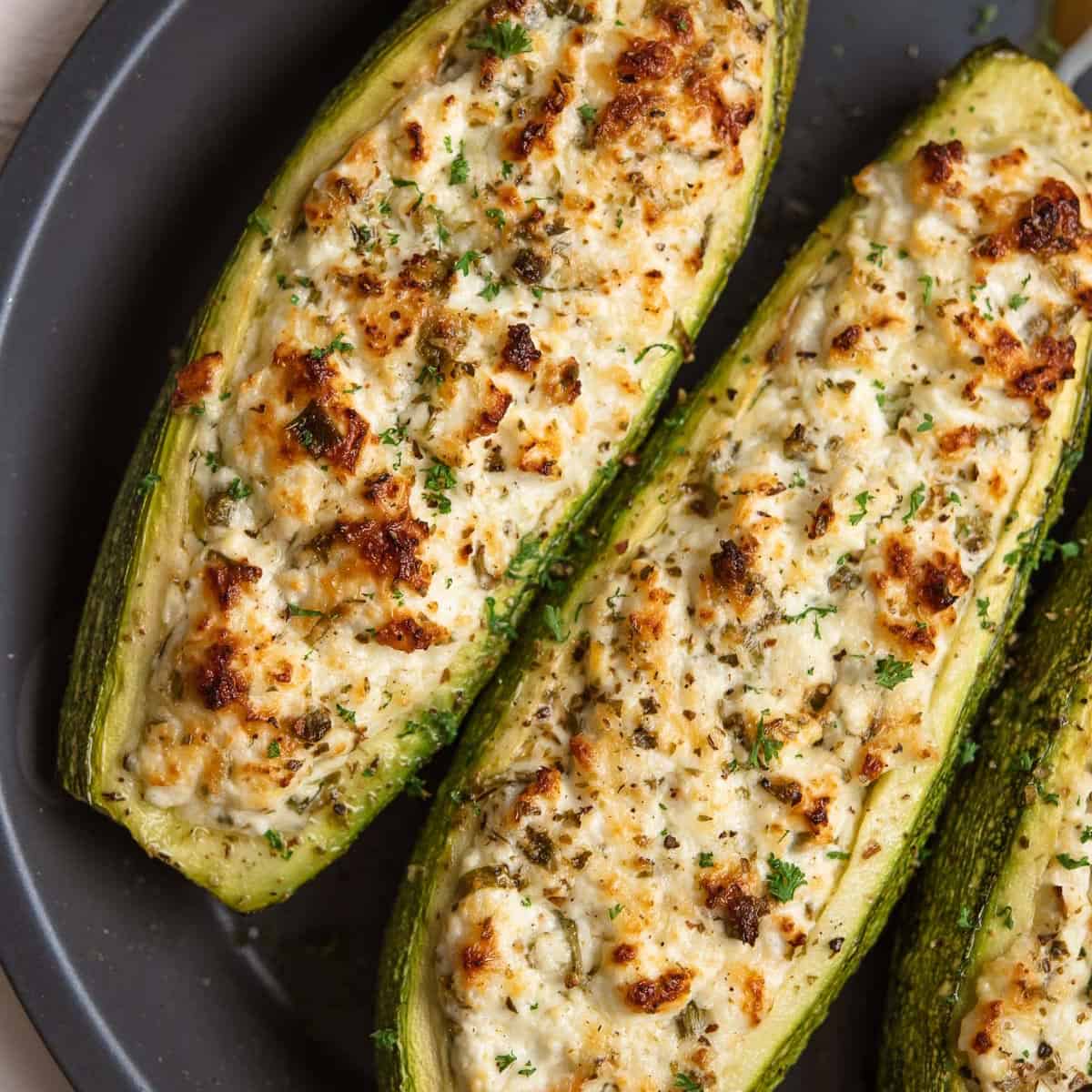
This 45-minute baked zucchini dish is suitable as a main course. Hollow out the zucchini and bake it for a few minutes. Add filling and bake until set. Filling ingredients include feta and Gruyère cheeses, strained Greek yogurt, lemon juice, garlic, and chopped green onions and parsley. Slice zucchini into long, thin strips rather than halving it for deeper boat shapes to hold filling. Drizzle zucchini strips with olive oil and oregano for roasting. In a bowl, mix feta cheese, Gruyère cheese, strained Greek yogurt, scallions, garlic powder, lemon zest, and parsley. Straining the yogurt keeps the filling from becoming too runny. After 12-15 minutes of baking, a toothpick inserted into the zucchini should go in easily but not come out easily, and the zucchini should be soft but not mushy. Let boats cool for 5 minutes before adding filling and lowering the oven temperature. Firmly pack the filling into zucchini boats instead of stuffing them too full. The main problem with this recipe is likely overfilling, which can cause the filling to run out during baking instead of setting in the boats. Serve hot or cold with extra olive oil, Greek salad, Greek lettuce salad, or skordalia. The article suggests serving the recipe as a main dish with Greek lemon and oregano potatoes. Store leftovers in the refrigerator in an airtight container. Heat single servings in the microwave without a lid and larger servings in the oven without a lid.
5. Slow Cooker Mediterranean Beef Stew With Tomatoes and Olives
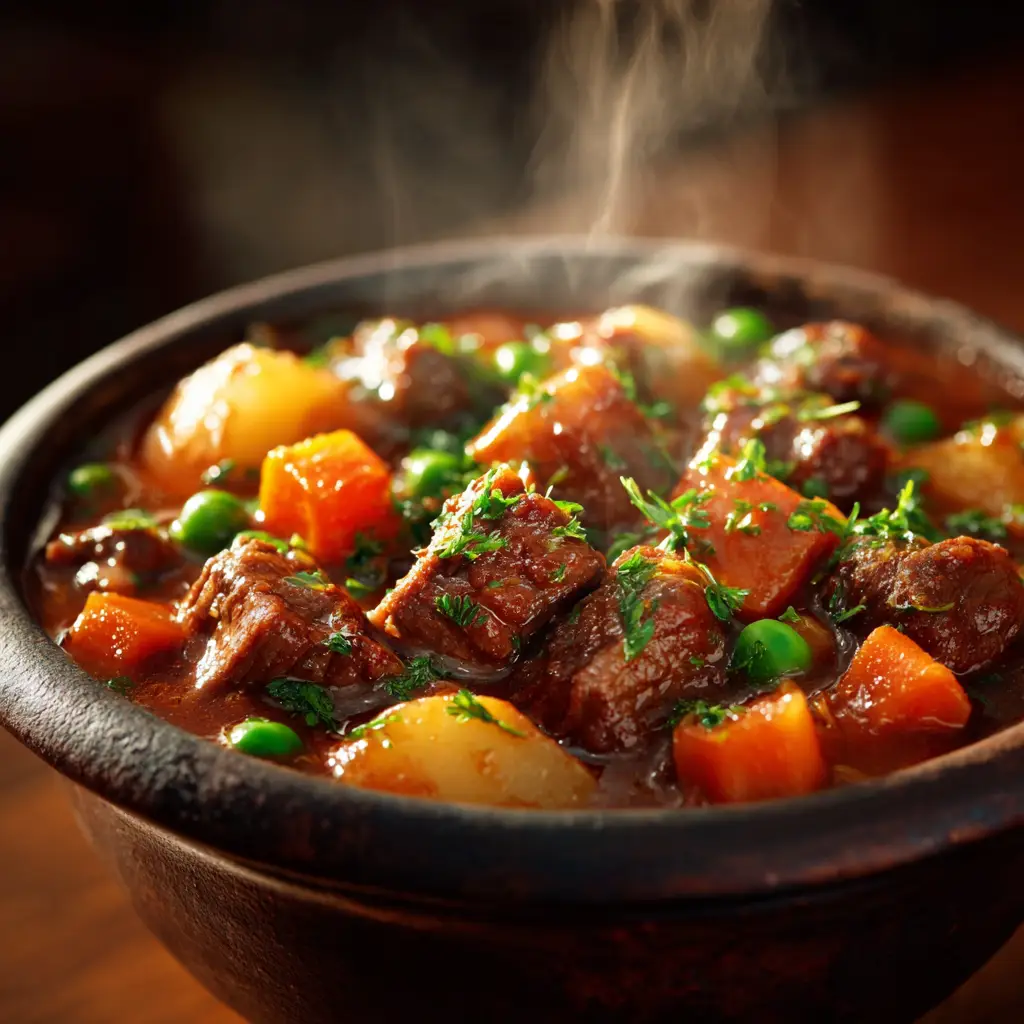
Choose a beef chuck roast with marbling and cut it into 1.5-inch pieces for this slow cooker Mediterranean beef stew recipe. Marbling and other connective tissues in the beef will soften as it simmers with Kalamata olives in a broth flavored with tomatoes. Pat the cubed meat dry before seasoning. Cook the meat in batches in a large skillet over medium-high heat. I cook the batches separately in the skillet and then transfer them to a slow cooker to prevent steam buildup and a paler color in the skillet that can result from cooking too much meat at once. Sauté the onions in the skillet until tender. Add garlic and tomato paste to the skillet and cook the garlic briefly. Add wine to the skillet to deglaze it. Cook stew until the meat is falling apart. Remove the bay leaf and stir in olives. This will allow the olives to have a different, briny flavor than the tomato stew. I use low-sodium beef broth when making this stew. Other ingredients, such as olives and feta cheese, are very salty. Serve the stew hot with chopped parsley and crumbled feta cheese. Other accompaniments include creamy polenta, mashed potatoes, egg noodles, or bread and gravy. Side dishes such as cucumber salad or green salad with lemon dressing are appropriate, especially for dinner guests.
6. Fresh Tomato Gazpacho with Cucumber: Smooth Chilled Summer Soup
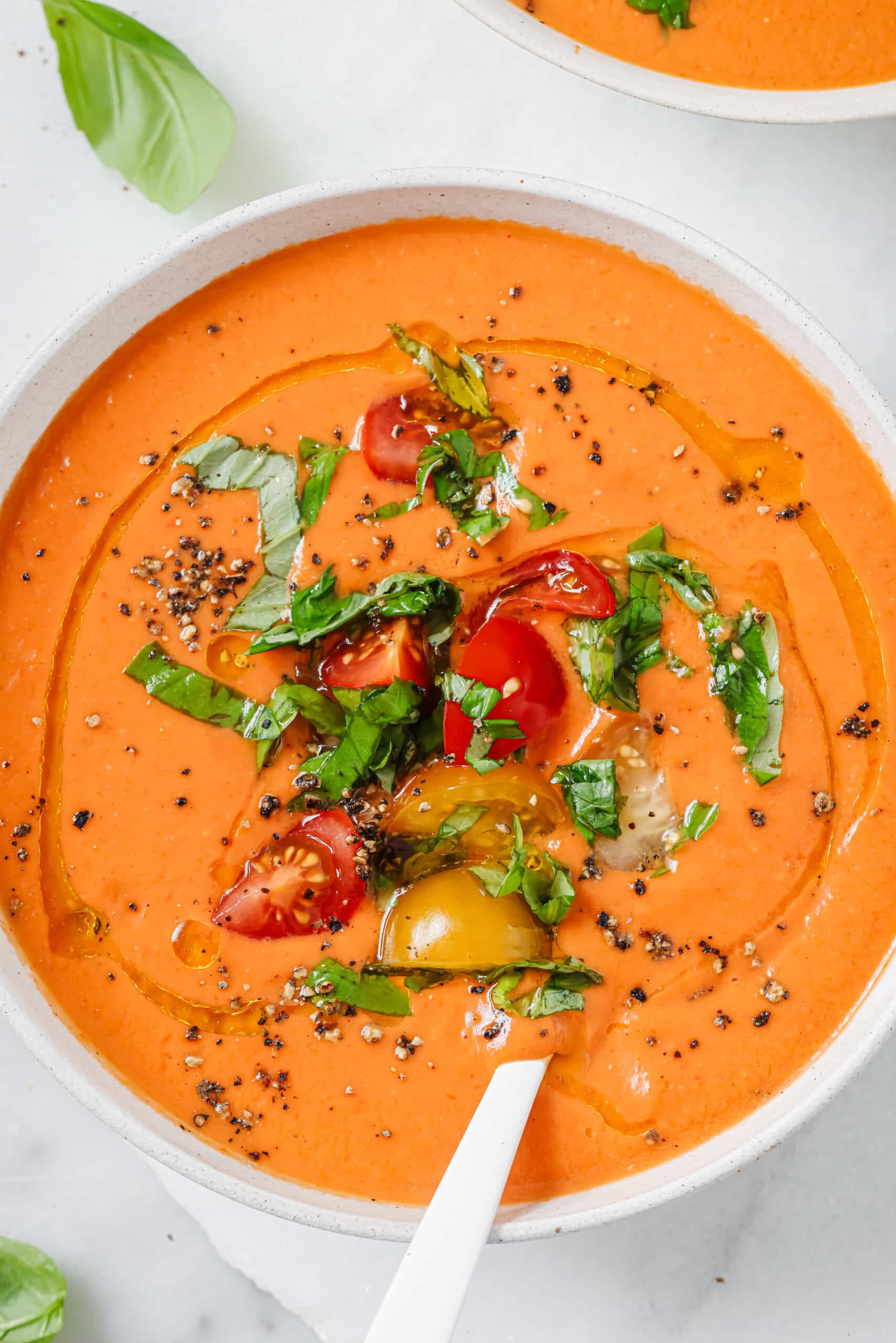
Twenty minutes of preparation time and a blender are required to prepare this cold tomato gazpacho for storage in the refrigerator. Chopped cucumber, bell pepper, lemon juice, and basil toppings complete this cold soup, which makes a good lunch or dinner dish. Start with ripe vine-ripened tomatoes. Additional varieties used in this recipe are Roma, heirloom, and Campari tomatoes. Peel the tomatoes by blanching them. Chop tomatoes, cucumbers, red peppers, shallots, and garlic together. Red peppers are included to help keep the red-colored soup red. Olive oil is added during blending to give the soup smooth body. Add lemon juice and basil, as well as sea salt and pepper, for flavor balance. This recipe highlights fresh, seasonal produce. Stir vegetables occasionally after they sit to help spread oil, lemon juice, and other liquids. The finished gazpacho should be bright red without chunks if blended thoroughly at high speed. Common errors in preparing gazpacho include underblending and not refrigerating the soup long enough before serving. Allow at least 20 minutes for the mixture to meld and 2 hours of refrigeration to avoid chunky gazpacho. Spoon gazpacho into bowls and sprinkle with chopped basil as specified. The gazpacho recipe suggests serving it as a first course with Easy No-Knead Focaccia Bread as a filling meal. Making gazpacho ahead of time can save time on other busy days. Stir chilled gazpacho thoroughly before serving to distribute ingredients evenly.
7. Cucumber Mozzarella Salad with Cherry Tomatoes and Clear Vinaigrette
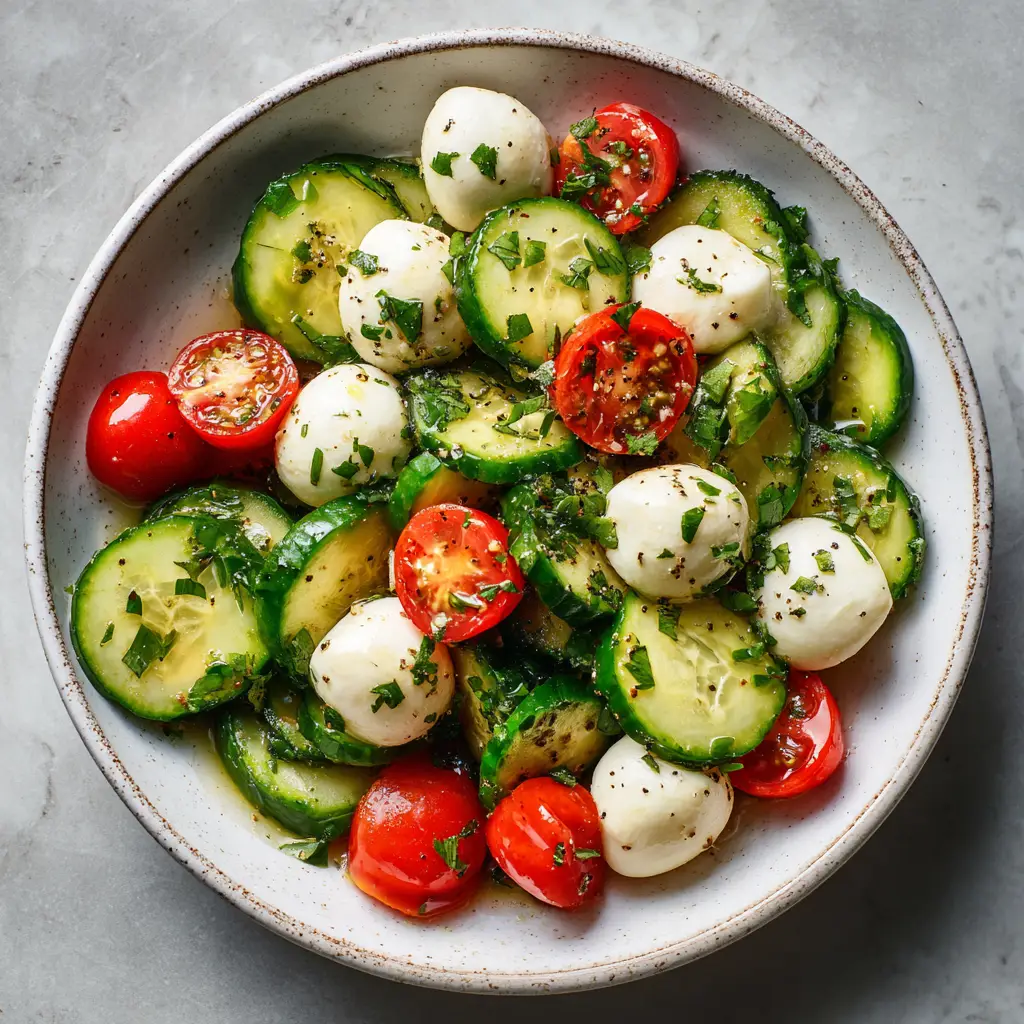
This cucumber and mozzarella salad can be prepared in 10 minutes without cooking and eaten right away. Thickly sliced English cucumber and cherry tomatoes are mixed with a clear vinaigrette and mozzarella balls. Herbs and ground pepper go over the top. I combine oil, vinegar, and salt in a dish until no undissolved salt pieces remain and the salad dressing in the dish has a glossy appearance. Thick cucumber slices prevent the salad dressing from forming puddles on top of the salad. Large serving spoons make it easy to toss salad without damaging the thick cucumber slices. Small balls of mozzarella cheese can be evenly mixed into the salad with little effort. For this dish, use a shallow white ceramic dish to serve the salad, allowing the dressing to drip down over the cucumber and tomato pieces. Warm sourdough discard focaccia is a good side dish to sop up the dressing. Sweet lemon sugar cookies are a good dessert choice. Use a medium mixing bowl if one is available to serve the salad. Shallow sides on the mixing bowl help you see the dressing on the outside of the salad. A white ceramic serving dish offers good color contrast. Adding basil or parsley adds green. I simply use fresh basil or parsley stored in my refrigerator.
8. Summer Orzo Salad with Fresh Corn and Tomatoes
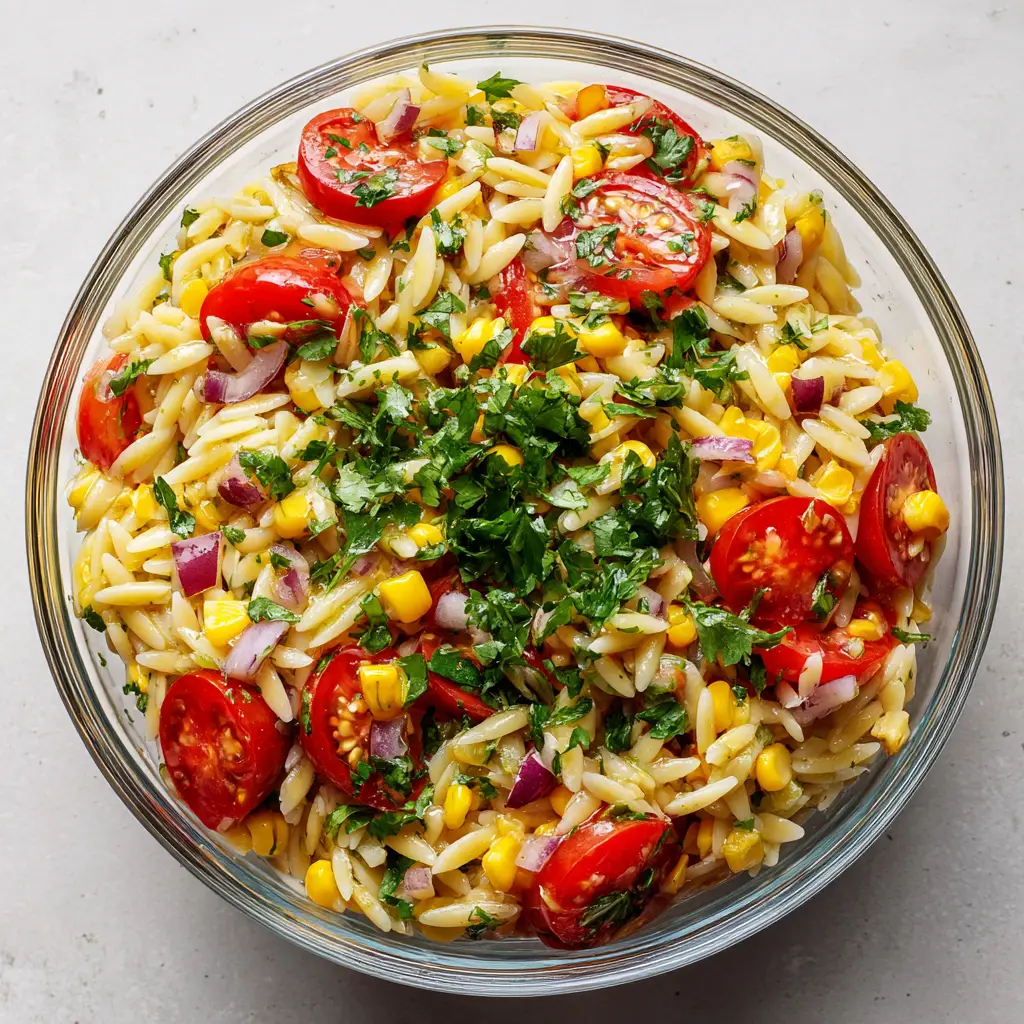
Prepare this 8-cup orzo salad ahead of time to serve at a barbecue. Save fresh herbs that you are adding to the salad for the serving stage to get the most flavor. The orzo, which is light in color, and sweet corn and halved cherry tomatoes are mixed with a clear, slightly thickened vinaigrette in a glass bowl. I slice cherry tomatoes in half to drain their juices. I chop the red onion into 1/8-inch pieces so neither vegetable overpowers the other in any one bite of salad. Chopped red onion adds flavor and visual appeal to the salad without overpowering it. I like the color contrast between onion and pasta. Whisk oil, vinegar, salt, and pepper until dressing thickens slightly. Dressing should coat the pasta thoroughly, with little or no leftover liquid in the glass salad bowl. Cook the orzo until tender but not overcooked. Rinse the cooked orzo in cold water for 60 seconds. Rinsing removes starch. I toss the cooled orzo gently with the vinaigrette to ensure even coating of individual orzo pieces in the salad bowl and prevent clumping. Individual orzo pieces are desired in the salad bowl. You can grill corn to improve its flavor, but I suggest using standard yellow corn. At a cookout, I served it with brown sugar-grilled pork chops and cowboy butter on the side for the meat. It complements a Mediterranean meal of rice, beans, and grilled chicken. At a buffet with other cold foods, I served it with Italian grinder tortellini salad.
9. Greek Meatballs with Lamb, Parsley, Mint, and Oregano

Ground lamb has a rich flavor and high fat content that keeps Greek keftedes, or meatballs, juicy. Other meats, such as ground beef or turkey, may be substituted. Ingredients to season keftedes include grated onion, garlic, oregano, cumin, coriander, parsley, and, if desired, mint. The meatball mixture contains shredded onion rather than chopped onion to better hydrate and season the lamb meatballs. Other seasonings and binding ingredients in the meatball mixture include dried oregano, cumin, coriander, Italian seasoning, garlic, egg, and breadcrumbs. Optional fresh parsley and mint seasonings can also be added. Tablespoon-sized meatballs prepared for baking or sautéing will be consistent. The meatballs should be moist in the middle and hold their shape, about the size of a tablespoon, as they cook. For baking, flip the meatballs halfway through 15 to 18 minutes of baking time to ensure even cooking. For pan-frying, cook each side of the meatballs for 3 to 4 minutes. Overworking the meat when making meatballs can make them firmer. Do not overmix the other ingredients. Serve with Tzatziki Sauce or tomato sauce. Other ingredients for meatballs in a pita dish include fresh tomato and red onion slices and Tzatziki Sauce. Other ingredients for meatballs in a Greek pasta dish include tomato sauce, black olives, fresh oregano, and feta cheese. Raw or cooked meatballs can be frozen before or after cooking.
10. Mediterranean Roasted Eggplant with Blistered Tomatoes and Roasted Garlic
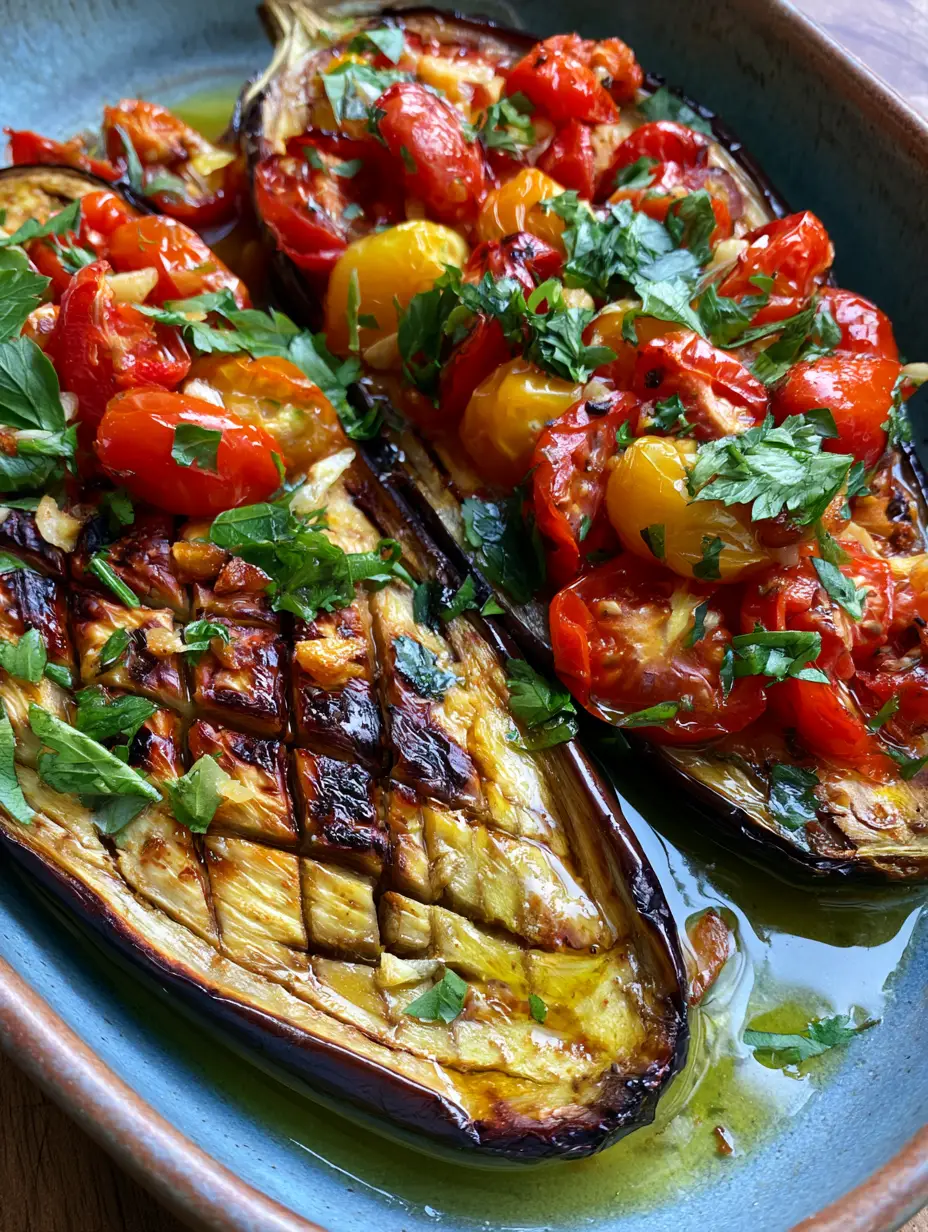
These roasted eggplant halves are a vegetarian entree. Slits made in the eggplant allow the olive oil and cooked garlic to penetrate the roasted eggplant and cherry tomatoes, yellow and red, for added color and flavor. People enjoy the charred parts of the eggplant. I prefer a shallow ceramic baking dish if you have one, but a metal baking sheet can be used instead. I use a chef's knife to cut about 1 inch crosswise through the squash but not all the way through the skin and then coat the cuts with oil. Dry skin and the top of the squash will remain dry after baking, and the stem can be left on. I like the appearance of the stem. A wider dish makes it easier to serve both sides of the squash at the table. The first 20 minutes are for cooking the tomatoes. I look for browned edges and dark golden interiors in the tomatoes and popping or blistering of tomatoes as ways to tell when the dish is ready when I add the topping. Some whole tomatoes are partially split. Crushing garlic before adding it to the oil helps keep the garlic from burning in the oven. Let zucchini stand for 5 minutes before adding parsley. Leave cuts in the tomato juice for 5 minutes to absorb flavor. Sprinkle sea salt flakes lightly over zucchini if you want some areas to be saltier. I cook zucchini this way because I enjoy its tender inside and charred skin.