
Pork Recipes Worth Making for Comfort Food
Examples of pork dishes include slow cooker roasts and carnitas, cheesecake and pierogi casserole, stovetop pasta, stir-fried dishes, and skillet sandwiches. Other ideas for pork dishes for your next meal are included in this article. Other recipes include mouthwatering and cheesy dishes and sweet and sour pork and Bolognese sauce recipes appropriate for lunch, dinner, and other events, such as taco parties and family dinners.
Why These Recipes Using Pork Work Well
- Slow Cooker Option: Carnitas and pork roast with apple cider are slow cooker options for preparing a pork dish in advance.
- Stovetop uses: Wok, frying pan, and pasta pot are used to prepare sweet and sour pork, grilled cheese sandwiches, and avocado carbonara.
- Comfort Foods: Dishes like a cheesy casseroled version of pierogi, grilled cheese with bacon, and Bolognese sauce can provide satisfying textures when preparing meals at home and lunches for your family.
- Crispy Ingredients: Crispy carnitas and fried pork products add texture to other pork and pasta dishes.
1. Crockpot Pierogi Casserole with Kielbasa and Creamy Cheddar

Serve this casserole as the main course for family dinner. Pieces of frozen cheddar pierogies and kielbasa are layered with chicken broth and cream cheese and cheddar cheese for a tender, cheesy meal with pieces of kielbasa. Three cups of chicken broth are cooked in the slow cooker with frozen pierogies, kielbasa slices, and shredded cheddar cheese. Chicken broth keeps the pierogies moist while cooking. Kielbasa provides smoky flavor to the casserole. Cream cheese is heated with some of the chicken broth toward the end of cooking time and whisked smooth to incorporate into the casserole and serve with additional shredded cheddar cheese. The casserole recipe is successful if the pierogies are fully cooked and cream cheese is evenly distributed throughout the casserole without streaks of cream cheese. Warm the cream cheese gently to help distribute it evenly, but do not boil it vigorously, as this can cause the sauce to separate. Cover the casserole with the top layer of cheddar cheese to help it melt during the final cooking time. Serve hot with a side dish of green vegetables or other steamed vegetables to contrast with the tastes of the cheese and sausage. Sliced green onions, if used, will enhance the appearance and provide some onion flavor and crunch. Leftover dishes can be reheated on the stove or in the microwave, adding liquid as needed for reheating.
2. Avocado Carbonara with Creamy Kale Sauce, Bacon, and Parmesan
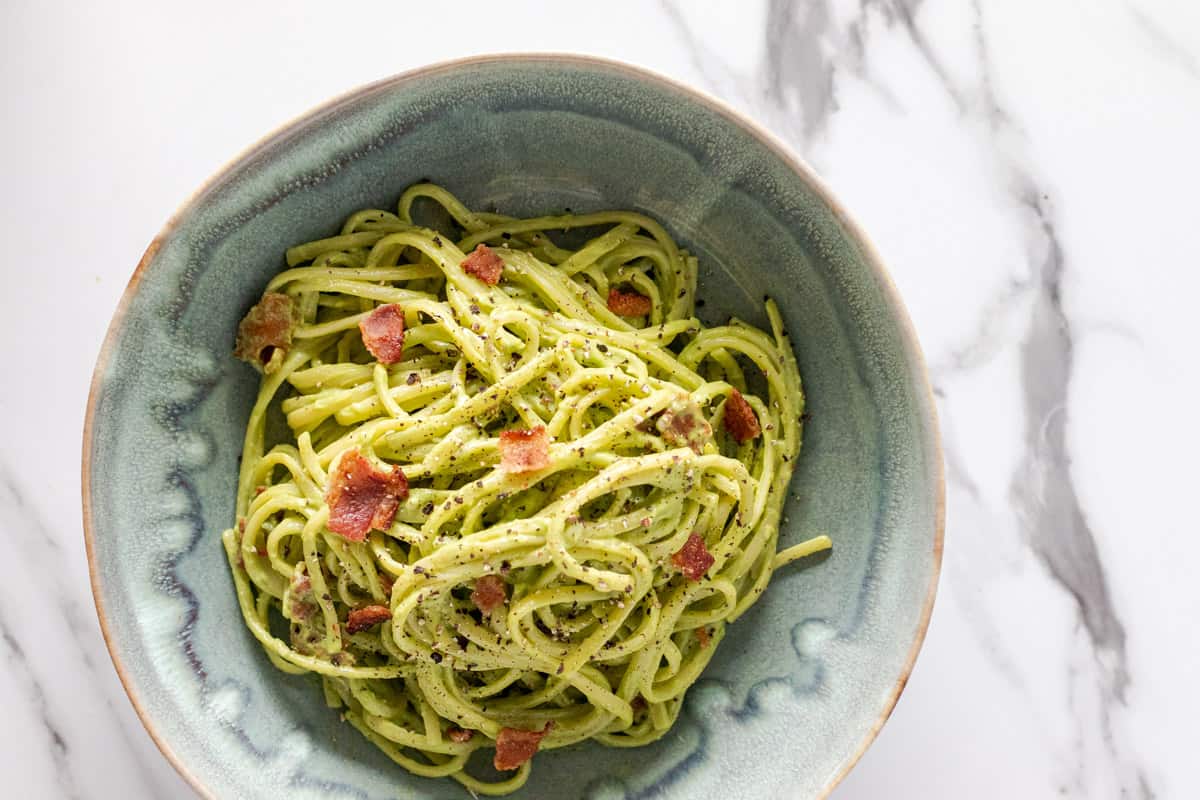
Adding hot pasta water in small amounts to an avocado sauce helps smooth the avocado sauce and cook the egg yolks before adding them to the pasta. Avocado Carbonara with Kale includes hot linguine topped with avocado and kale sauce and sprinkled with crumbled bacon and Parmesan cheese. In a blender, combine avocados, egg yolks, kale, garlic, olive oil, lemon juice, salt, paprika, cayenne, and other ingredients while the linguine is boiling. Reserve 1 cup of pasta water when draining the linguine and pour it into the blender at a low speed to puree the sauce smoothly. Reserving pasta water and pouring it into the blender at a low speed helps the sauce and pasta stay in sync. The objective is for the noodles to be coated with green sauce. The dish should not be a mix of noodles and sauce. When you add the green sauce to hot linguine and stir, you can then add other ingredients, including bacon and Parmesan cheese. Chilled noodles or failure to use reserved pasta water when making this dish will ruin it. To make the green sauce, you need hot noodles and reserved pasta cooking water. Serve right away, garnished with Parmesan cheese, bacon, and black pepper, if desired. The article suggests you serve garlic bread made with prepared baguette on the side. Storage tips are not provided. Serving suggestions include plating pasta and adding bacon and Parmesan cheese immediately before serving.
3. Slow Cooker Pork Carnitas with Crispy Seared Edges and Lime Glaze
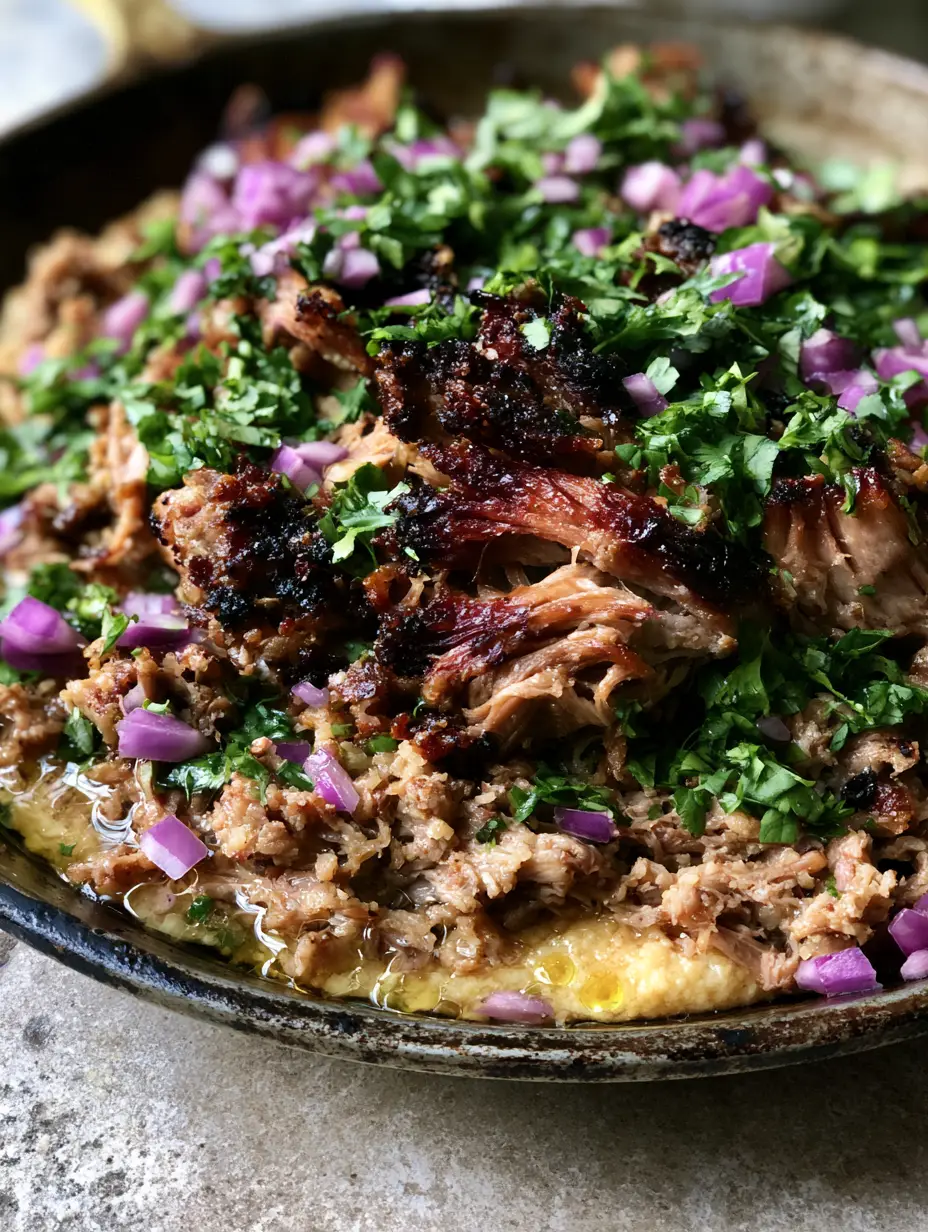
Slow-cooked pork carnitas are a popular taco-night option to prepare in advance. Pork shoulder is slow-cooked and then browned in a skillet. It's topped with a lime glaze and shredded. I cut the shoulder into large sections with some fat. I slow-cook the shoulder until a fork pierces the meat easily. Fat drips into the cooking liquid. I divide the shredded pork into portions, reserving some of the large pieces and some of the shredded meat. The two types of meat cut help brown the pork in the pan. I prefer to use the large pieces. I save the cooking liquid used to cook the pork before browning in the pan. I mix this liquid with lime juice to serve as a topping for the shredded pork. I cook carnitas in batches in a dark cast-iron pan, pushing the meat against the surface of the pan with a spatula to help cook it evenly. I do not disturb the pork in the pan for the searing time recommended on the package. I turn the pork over when the first side is well browned. I serve carnitas on warm corn tortillas with raw red onion and cilantro. I eat a lot of raw onion. The glaze is added after browning. The pan and meat are still hot, and parts of the pork meat have been browned. Most of the glaze cooks off, and the outer parts of the pork meat are flavored with lime juice and pork juices. The inner parts of the cooked pork meat can be eaten in a tortilla.
4. Sweet and Sour Pork with Crispy Batter and Tangy Red Sauce
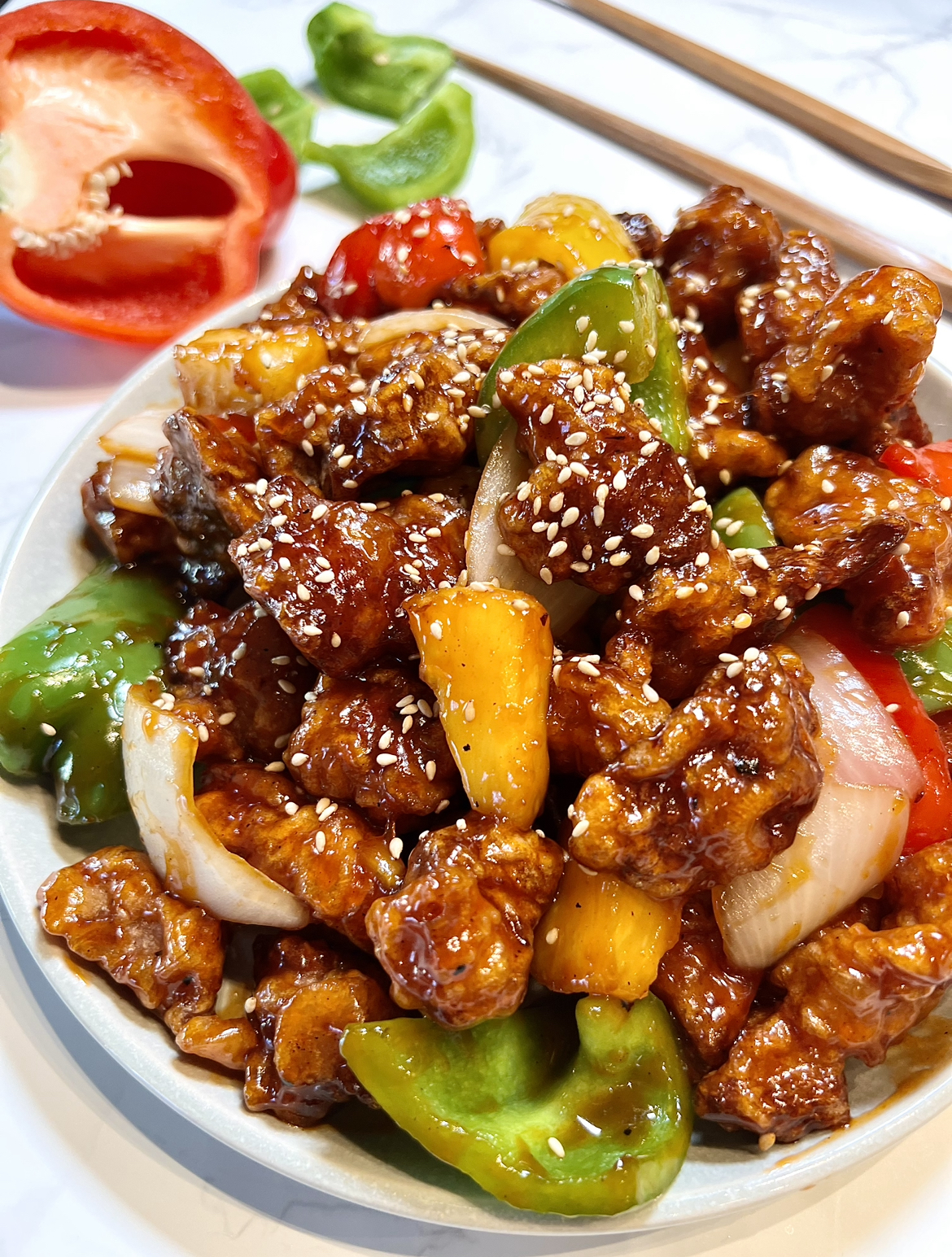
Serve Takeout-Style Sweet and Sour Pork from a wok at home. Crisp breaded pork and pineapple with bell and onion peppers are cooked in a red sweet and sour sauce for added texture. The cooked pork and peppers are soft and tender after soaking up the sweet and sour sauce. Pork shoulder or butt is marinated briefly in soy sauce, Shaoxing wine, baking soda, and white pepper. It is coated with egg white, cornstarch, flour, and water before cooking. Cornstarch and flour coatings make the cooked pork crispy. Sauce ingredients include ketchup, sugar, apple cider vinegar, soy sauce, chicken powder, and salt. Fresh pineapple and vegetables provide sweetness and other textures. The batter should be a liquid/paint consistency, not a dough consistency, for frying. Partially cook and brown the pork in a few batches of frying and let it rest if you intend to fry it again. Visual cues that the pork is done include a golden-brown, firm outer layer. One common mistake in making this dish is tossing the pork in the sauce too long, which can cause the batter to soften. Eat immediately after the final 15 to 30 seconds of cooking. Garnish with sesame seeds. Refrigerate leftovers in an airtight container for 3 to 4 days. Reheat leftovers in the microwave or on the stovetop. The pork may lose its crispy texture, but the sweet and sour flavors should remain.
5. Bacon Grilled Cheese Sandwich with Crispy Sourdough and Sharp Cheddar

I make this bacon grilled cheese sandwich for lunch when I don't want a snack. It has three strips of bacon and cheddar cheese on thick sourdough bread. Both sides of the sandwich toast and the cheese melts in a skillet. It's a single-serving lunch sandwich. I grate cheese from a block to add to a sandwich. Sliced and grated cheese is preferable to packaged shredded cheese, which includes potato starch and other ingredients that prevent the cheese from melting and adhering to bacon. Cheddar cheese has a more desirable texture when served with bacon on a sandwich. Allowing bread to sit at room temperature for 15 minutes before making the sandwich prevents the inside from staying too cold while the outside browns. The lid is kept on for 2 minutes. After 2 minutes, I lift the lid with a wide metal spatula and lower the heat to medium, avoiding squishing the bread. Turn out the bread when it is very dark brown and the cheese on the edges is bubbling, with a hollow sound when you tap it with a knife. To enhance the bacon flavor, I occasionally mix a teaspoon of bacon grease with softened salted butter and spread the mixture on bread. I grill the bread in a cast-iron skillet, if possible, but it can also be grilled in a stainless-steel skillet. I place the sandwich on a white ceramic plate for 60 seconds and then cut it diagonally with a sharp knife, the best way to consume this sandwich.
6. Crockpot Apple Cider Pork Roast with Warm Cinnamon and Nutmeg
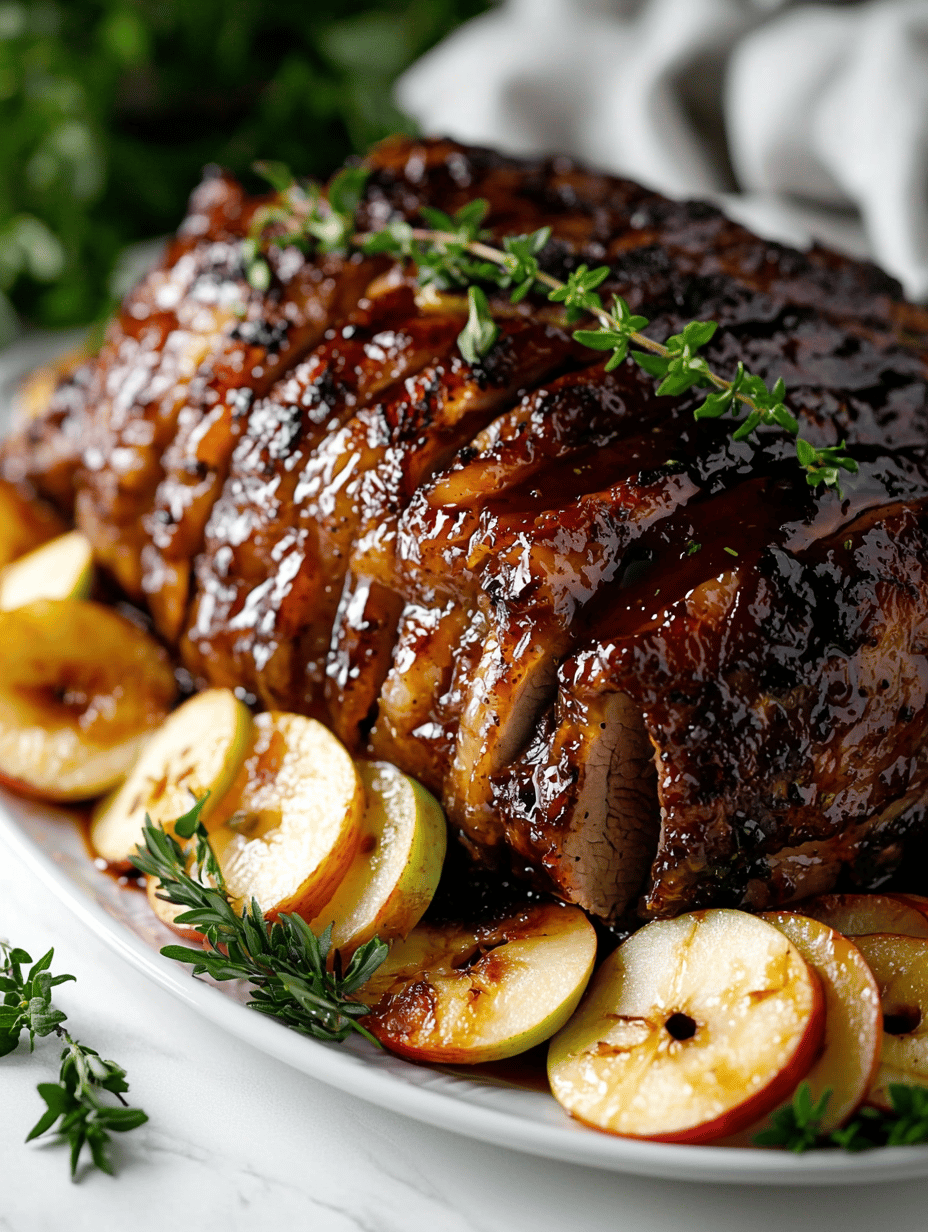
Use fresh apple cider for the best taste. Pair it with a bone-in pork shoulder roast for more taste. Recipe Crockpot Apple Cider Pork Roast produces shredded pork with a caramelized crust and apple cider sauce seasoned with cinnamon and nutmeg. Seasoning the roast with salt, freshly ground black pepper, and cinnamon and nutmeg before cooking gives the pork roast warm spice flavors. Vegetable oil promotes browning of the roast when cooking at a medium-high heat in a pan. One large onion and 2 cups of apple cider are added to the slow cooker with the roast. Unfiltered apple cider and bone-in pork shoulder are suggested for added flavor. On the stovetop, brown the meat for 3 to 4 minutes per side to create a caramelized crust that will add flavor to the braising liquid. The meat should shred easily between two forks after braising for 4 hours on low heat. If you skip the uncovered high simmer, the finished dish will have a light cider sauce instead of a thicker sauce. Serve breaded pork with potatoes, rice, and other foods. Side dishes you might serve with breaded pork include roasted carrots, green beans, dinner rolls, and apple slaw. The article says reheated leftover breaded pork in gravy tastes better than fresh breaded pork. Reheat leftover breaded pork in cider gravy.
7. Classic Bolognese Sauce with Beef, Pork, and San Marzano Tomatoes
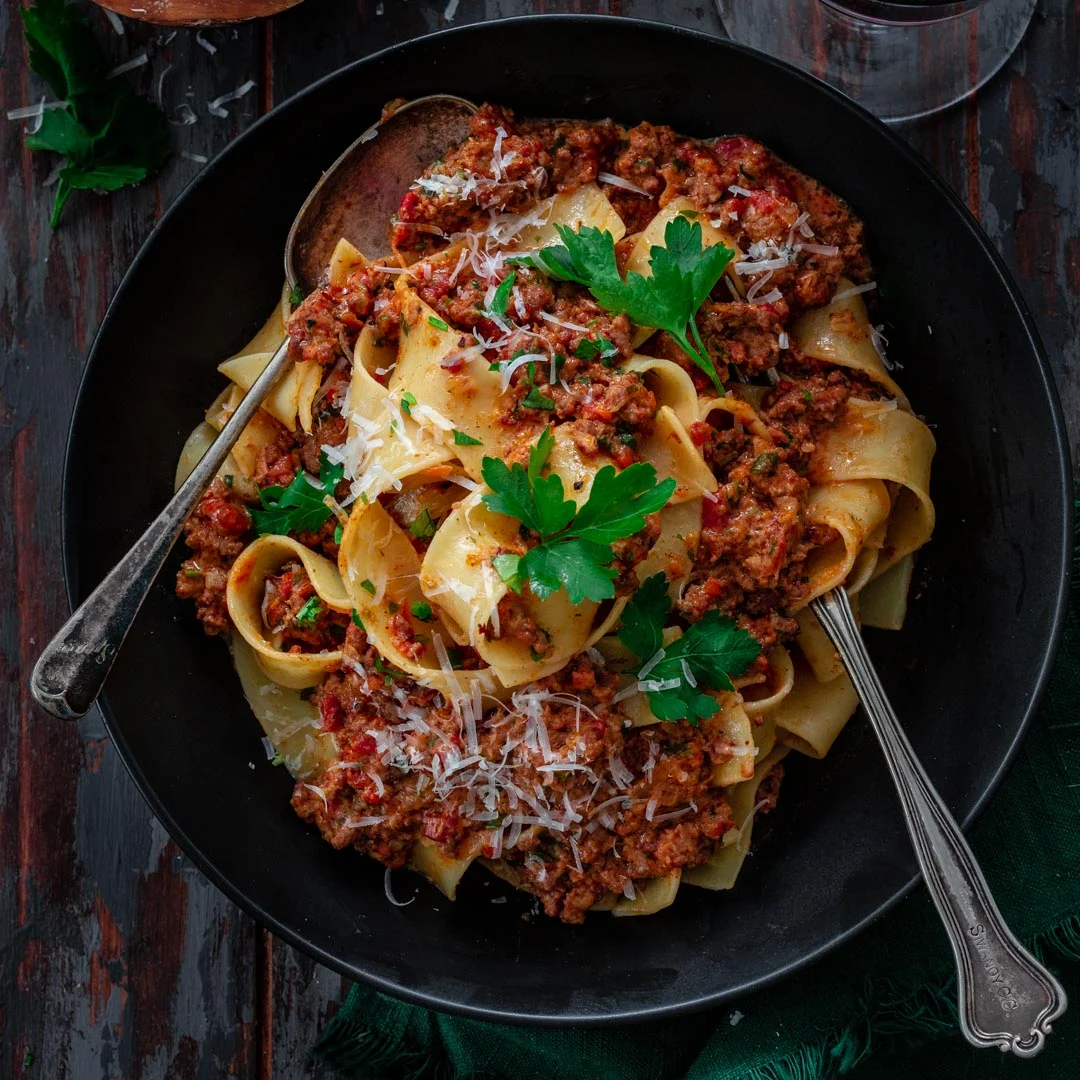
Add 20% ground beef and ground pork for classic Bolognese sauce and diced pancetta to enhance flavor. A traditional Italian Bolognese sauce is slow-cooked with hand-crushed San Marzano tomatoes, milk, nutmeg, and other ingredients to a thick consistency. The finely chopped onion and carrots and celery are called soffritto. They are sautéed slightly. Cooked garlic is added later. Beef and pork and pancetta are cooked to avoid steaming and enhance browning. Dry white wine is used to deglaze the pan, scraping up browned bits. Milk and tomatoes seasoned with nutmeg add a subtle tomato flavor and creamy texture. As the sauce simmers, most of the liquid cooks off, making the sauce suitable for pasta. Fat in the sauce will rise to the top and can be skimmed off before adding other ingredients. Common mistakes include adding too much meat or stirring too frequently while browning meat, the meat can be added in smaller batches to avoid these errors and still achieve browning without burning. Ingredients for toppings include Parmesan cheese and parsley, plus heavy cream, if using. Serve with tagliatelle or pappardelle pasta. The sauce can be made 1 day ahead. When ready to serve the dish, add pasta cooking water to the sauce in a saucepan to thin the sauce.