
Favorite Holiday Recipes for Comfort and Ease
Holiday recipes include recipes for no-bake caramel apple appetizers and casseroled Eggs Benedict for breakfast or brunch and a recipe for pumpkin soup and two chicken recipes for appetizers and main courses. Other holiday recipes offer a variety of factors and flavors that can be served at holiday meals, including toppings and herb butter and roasted vegetables and gravy as ingredients and mix-ins to use at home.
Why These Holiday Recipes Are Good Recipes
- No Cooking Needed: Caramel apple bites are made with Granny Smith apples and caramel and pretzel toppings. No cooking is required to make this recipe.
- Baking Idea: You can make an Eggs Benedict casserole ahead of time and bake it for 20 minutes. It's a baking solution for a quick breakfast.
- Batch Preparation: The pumpkin soup is made ahead of time, and leftovers from the casserole can be stored and served in individual servings.
- Roasting: Chicken dinner ideas include skin-on chicken roasted in a Dutch oven and lemon-and-thyme chicken roasted with vegetables and gravy.
1. Creamy Pumpkin Soup With Smoky Bacon and Crunchy Croutons

For four servings, make soup ahead of time and serve with added toppings of crisp bacon and croutons and fresh herbs. Recipe for pumpkin soup served with toppings of crisp bacon and croutons and fresh herbs. Ingredients for pumpkin soup include pumpkin puree, carrots, onions, broth, nutmeg, and cream. The base of the dish consists of cooked bacon and its drippings and butter only if needed. Other base ingredients include chopped onions and carrots and minced garlic. Cook chicken broth, brown sugar, bay leaves, thyme, salt, pepper, and nutmeg in the base. Add canned pumpkin puree and heavy whipping cream. Do not substitute pumpkin pie filling for pumpkin puree; this is not the right ingredient. After simmering broth and other ingredients uncovered, pumpkin and cream can be cooked briefly to incorporate flavors. The soup is ready to serve after blending and ladling into serving bowls. Some common errors when making this soup include serving unblended vegetables. Do not cover a standard blender when blending hot soup to allow steam to escape. Remove bay leaves and thyme stems before blending. Serve as a side dish during a holiday meal or as a main dish with items to dip in the soup. Kitchen tips include chilling individual portions of soup for later service. Bacon, croutons, cream, and parsley can be chilled separately and served as accompaniments. The source also directs freezing individual portions of soup in zip-top bags and reheating on the stove over medium heat.
2. Caramel Apple Bites with Tart Granny Smith Apples and Pretzel Crunch
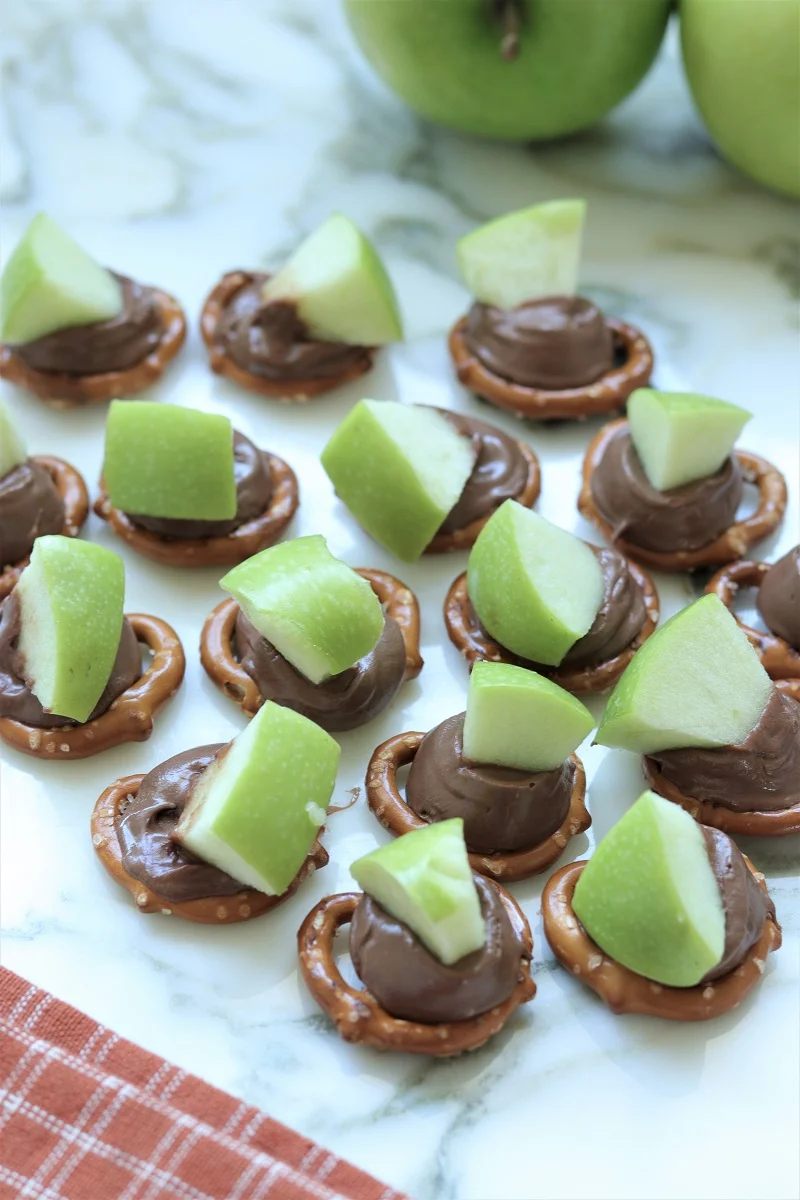
Choose fresh Granny Smith apples and other crisp green apples. The crisp apple pieces complement the sweet, soft caramel filling in these no-cook caramel apple appetizers. Other apple appetizers skewered on toothpicks feature apple pieces and a Rolo candy on top of a mini pretzel for sweet and salty flavors. Mini pretzel twists are used as a starting point. One Rolo chocolate is added to each pretzel twist and warmed but not fully melted in the oven. An apple is cut into 1-inch chunks. Lemon juice is added to keep apple chunks from browning. Toothpicks are used to assemble the snack. Individual pieces are treats, not whole caramel apples. Keep an eye on the Rolos. You want them soft enough to push pieces of apple into but not so soft that they start fusing with each other. Three to five minutes in a 275-degree oven works well for the Rolos. The biggest problem people have with this recipe is overbaking the sheet pan, which makes the Rolos too soft and causes them to fuse. Serve ready-to-eat appetizers on the same day they are made, especially for Halloween and other functions and charcuterie boards. Appetizers that can be stored will get soft. Leftover apple slices can be stored in the refrigerator, and new appetizers can be made the next day with leftover pretzels and Rolos.
3. Eggs Benedict Casserole: Easy Make-Ahead Breakfast
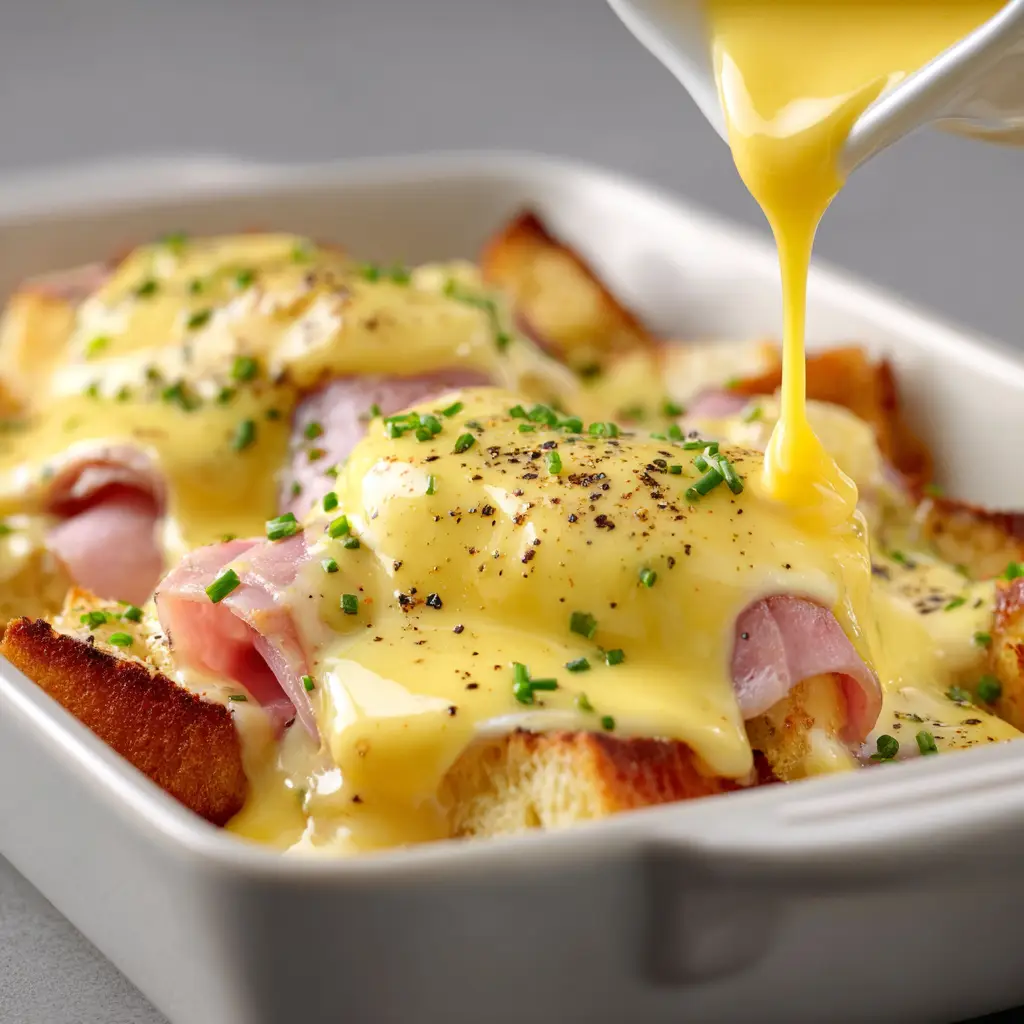
Eggs Benedict casserole is a precooked meal that can be prepared ahead of time to save time for weekday breakfasts. The casserole bakes in 20 minutes and refrigerates. I serve reheated single servings of the casserole with Hollandaise sauce and lemon juice. English muffins and Canadian bacon are baked under the custard layer. Reheat and add Hollandaise sauce to the casserole before serving. This recipe serves eight people. I use firm muffins and a fork to crumble the muffins and mix them with the casserole ingredients before baking and cooling. Longer chilling time allows the muffins to soak up more liquid from the casserole. Day-old muffins hold together better than freshly baked muffins. If you don't let the casserole chill for a long time, the muffin pieces at the bottom of the casserole may be too soggy for some people. Slices of casserole are not recommended. Using a 9×13-inch dish will give you even layers of casserole and muffin. After 40 to 50 minutes in the oven at 375°F (190°C), the eggs are a golden-brown color, and the center is set with no liquid egg inside. I allow the eggs to rest for 10 minutes while making the sauce. I serve warm egg squares topped with sauce and sprinkled with chives or parsley. Hot butter in a blender thickens the yolk sauce. I make Hollandaise sauce immediately before serving it, as this sauce does not keep well. Egg slices do not crumble after cooling.
4. Dutch Oven Whole Chicken with Crispy Skin and Herb Butter
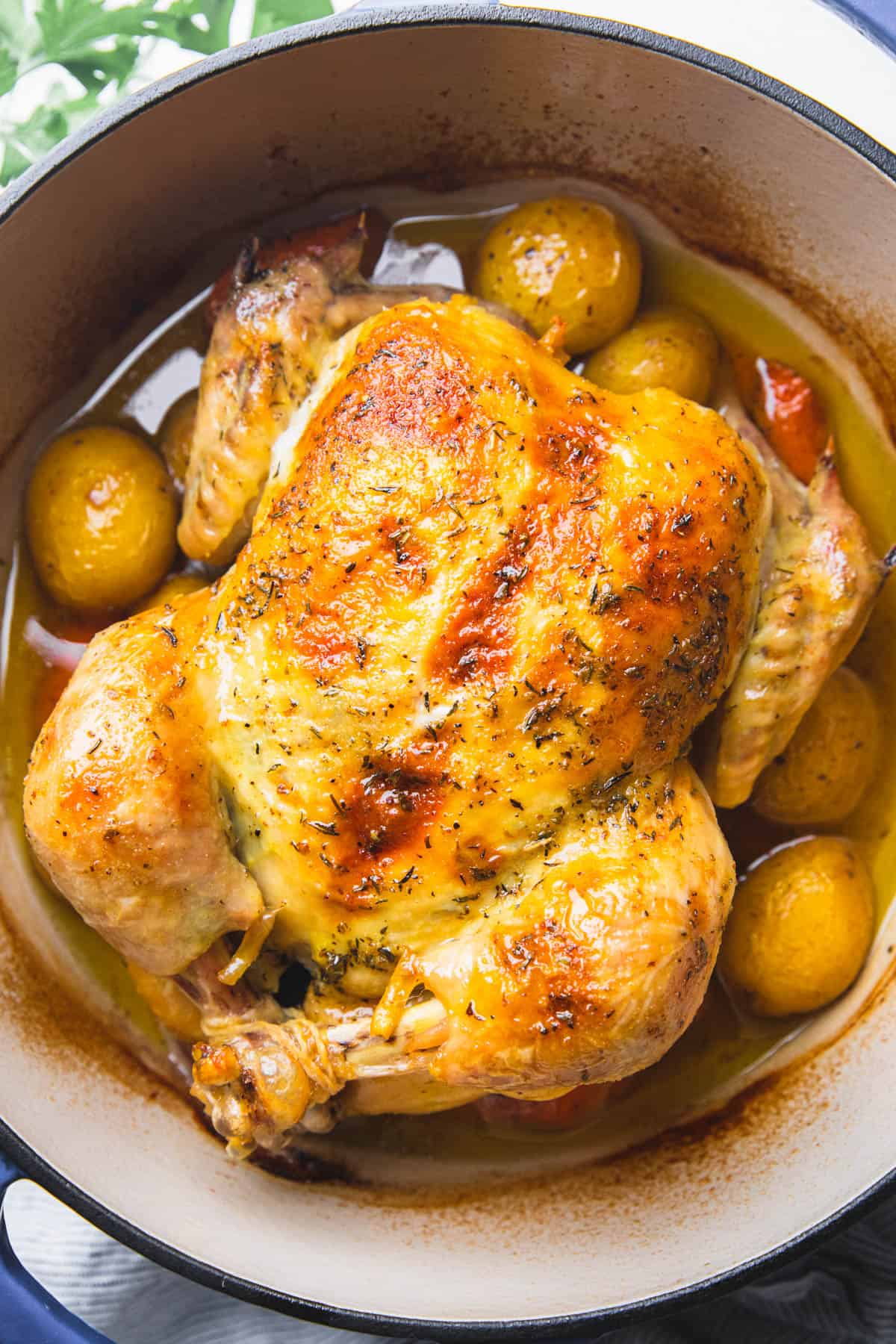
Covered roasting of chicken keeps chicken moist. Uncovered roasting at the end crisps the skin of the chicken. This Dutch oven recipe for whole roasted chicken involves buttered herbs and other seasonings added to the dish with roast chicken, potatoes, carrots, and pan juices. Unsalted, softened butter is seasoned with salt, garlic powder, onion powder, oregano, thyme, and black pepper. The seasoned butter is used to coat the chicken. A portion of the seasoned butter is used to flavor the chicken by working it under the chicken breast skin. Baby potatoes and carrots are arranged under the chicken. Chicken broth is used to moisten and season the vegetables. Completely dry chicken skin is the best indicator of properly cooked chicken. Moisture on the skin and other surfaces of chicken prevents browning. Cook first the parts of the chicken that are not covered, then cook the rest without covering. Check for browning of the parts of the chicken that were not covered. Mistakes to avoid include failing to cook both covered and uncovered chicken, leading to undercooked or overly dry chicken. Use a thermometer to check the temperature of the thickest part of the chicken meat, not near the bone. Let the cooked chicken sit for 10 or more minutes before carving to allow juices to settle into the meat and reduce loss of juices during carving and serving. Pair cooked chicken with potatoes and carrots and pan drippings for a complete meal or with green beans, broccoli, Mediterranean vegetables, and dinner rolls. Incorporate leftover meat removed from the bones into other dishes like pasta dishes, salads, soups, and sandwiches.
5. Ina Garten’s Roast Chicken with Thyme, Lemon, Roasted Vegetables, and Gravy
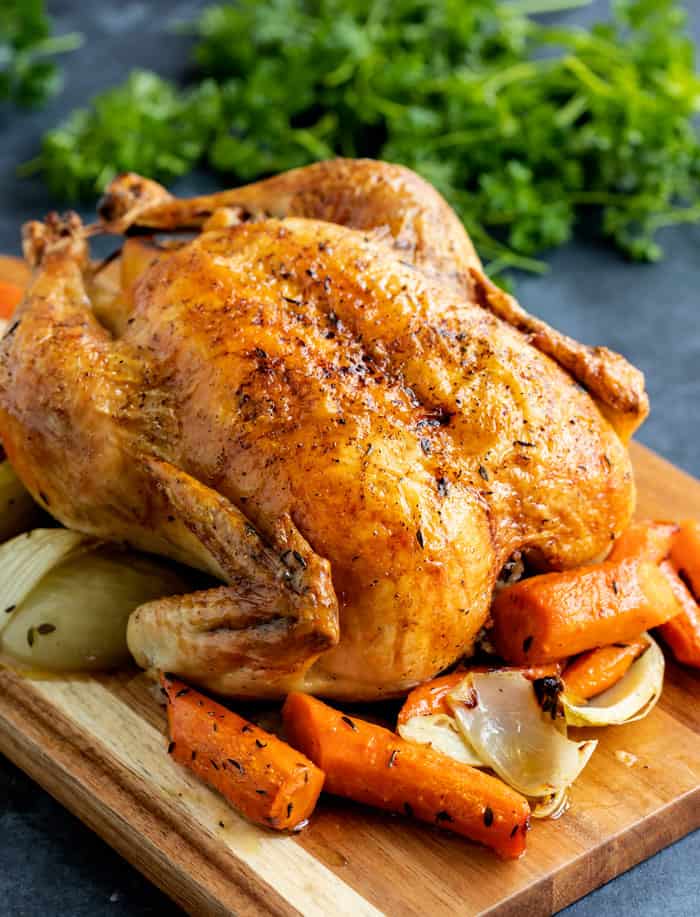
For a family dinner, this recipe for roast chicken serves eight and can be served with pan-roasted carrots, onions, and fennel on the side. Thyme, lemon, and garlic are mixed into the cavity of the chicken. Gravy is prepared using drippings from the cooked chicken. High oven temperatures of 425°F help render crispy skin. A 6-pound chicken is seasoned with salt and pepper and filled with a large bunch of thyme, half a head of garlic, and a lemon. The chicken is brushed with melted butter and baked on top of slices of onion, carrot, and fennel sprinkled with olive oil and thyme. Baking the chicken on top of these vegetables helps keep the vegetables moist with chicken juices and adds flavor to them. The juices can also be used to make gravy. Use pan juices to baste the chicken during cooking and rotate the pan to prevent uneven browning. Cook until juices run clear and the internal temperature of the chicken thigh meat is 165°F. One disadvantage of roasting a chicken is selecting a pan that is too large, which may lead to overcooked vegetables and insufficient juices for gravy. Let the cooked chicken rest uncovered for 15 to 20 minutes before slicing to help the juices settle back into the meat and the skin stay crisp. Accompany the chicken with roasted vegetables and gravy, as well as mashed potatoes or biscuits and green beans, if desired. Save the carcass and other leftover meat for chicken broth.