
Favorite Asian Recipes for Big Flavor Cravings
Crave something creamy and cooling, spicy and fresh, or crisp and deeply comforting? This Asian recipe collection moves from cold gochujang noodles and kimchi-topped beef bowls to double-fried chicken, peppery stir-fries, and glossy sweet-savory sauces, with rich crème fraîche and caviar katsu for an extra-luxe bite alongside quick skillet dinners and build-your-own rice bowls.
Why These Asian Recipes Work
- Cravings Covered: Cool, spicy noodles, creamy gochujang mayo bowls, and crisp fried chicken cover bright, rich, and comforting dinner moods.
- Bold Sauce Choices: Gochujang, black pepper, orange, soy-vinegar, garlic, and ginger create distinct sweet, spicy, savory, and tangy flavor directions.
- Texture In Every Bite: Chewy noodles, crisp panko, tender chicken, crunchy vegetables, and fluffy rice keep the meals satisfying from first bite to last.
- Flexible Dinner Energy: Choose quick skillet beef and black pepper chicken for ease, or fried chicken dishes when a craveable project sounds right.
1. Chicken Katsu with Caviar: Crisp Panko and Cool Crème Fraîche
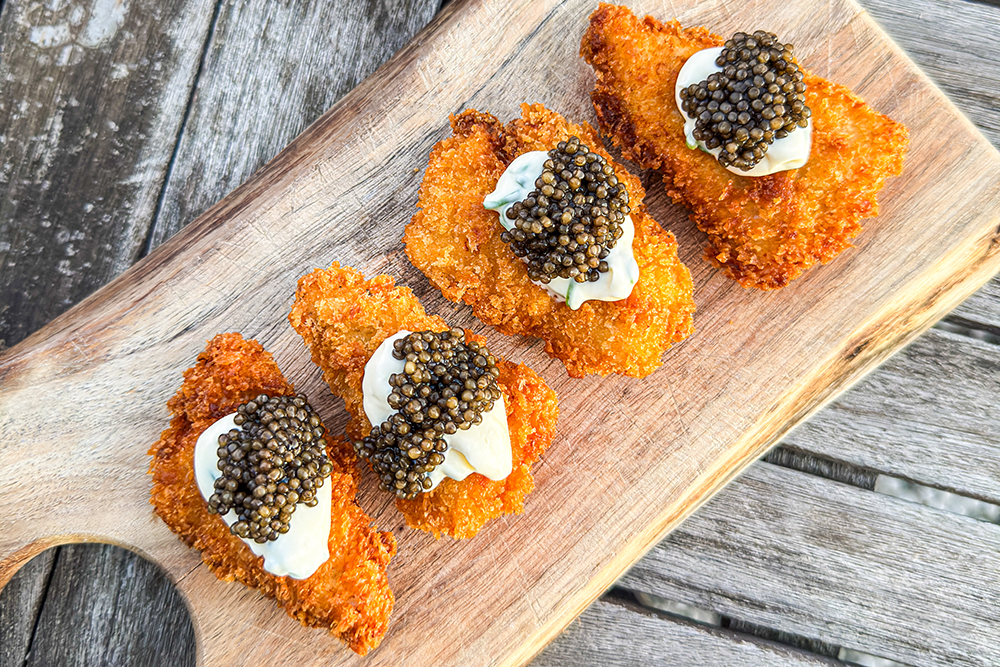
Frying panko chicken at 170-180°C helps cook the panko crust without overcooking the chicken․ A dish with chicken katsu and caviar has warm‚ crispy chicken and cold‚ rich caviar and crème fraîche․ Reduced seasoning allows the caviar to stand out as a flavor component in every bite․ Chicken tenders are cut into small pieces‚ seasoned‚ dredged in a seasoned flour mixture‚ and dipped in mixtures of egg and mirin and panko and water․ The water in the panko and water mixture keeps the breading for chicken tenders light and crunchy․ Chive- or green onion-seasoned crème fraîche adds a cool‚ creamy note‚ and caviar adds a savory note when this dish is served․ Watch the browning of the food and fry in batches to limit oil absorption and thick breading․ Skim loose breadcrumbs between batches to keep them from darkening in the oil and sticking to other batches․ Fry foods on a rack or other perforated cooling surface rather than a solid surface to keep moisture from collecting under the coating after frying․ Serve katsu as a starter or shared dish or lighter main course with a salad on the side․ Pair with champagne or other white wines․ The fresh flavors and temperature contrasts of this dish are best when eaten soon after preparation․ When making this dish in advance‚ leave off the crème fraîche and caviar until serving․
2. Bibim Guksu: Korean Spicy Cold Noodles with Gochujang and Cucumber
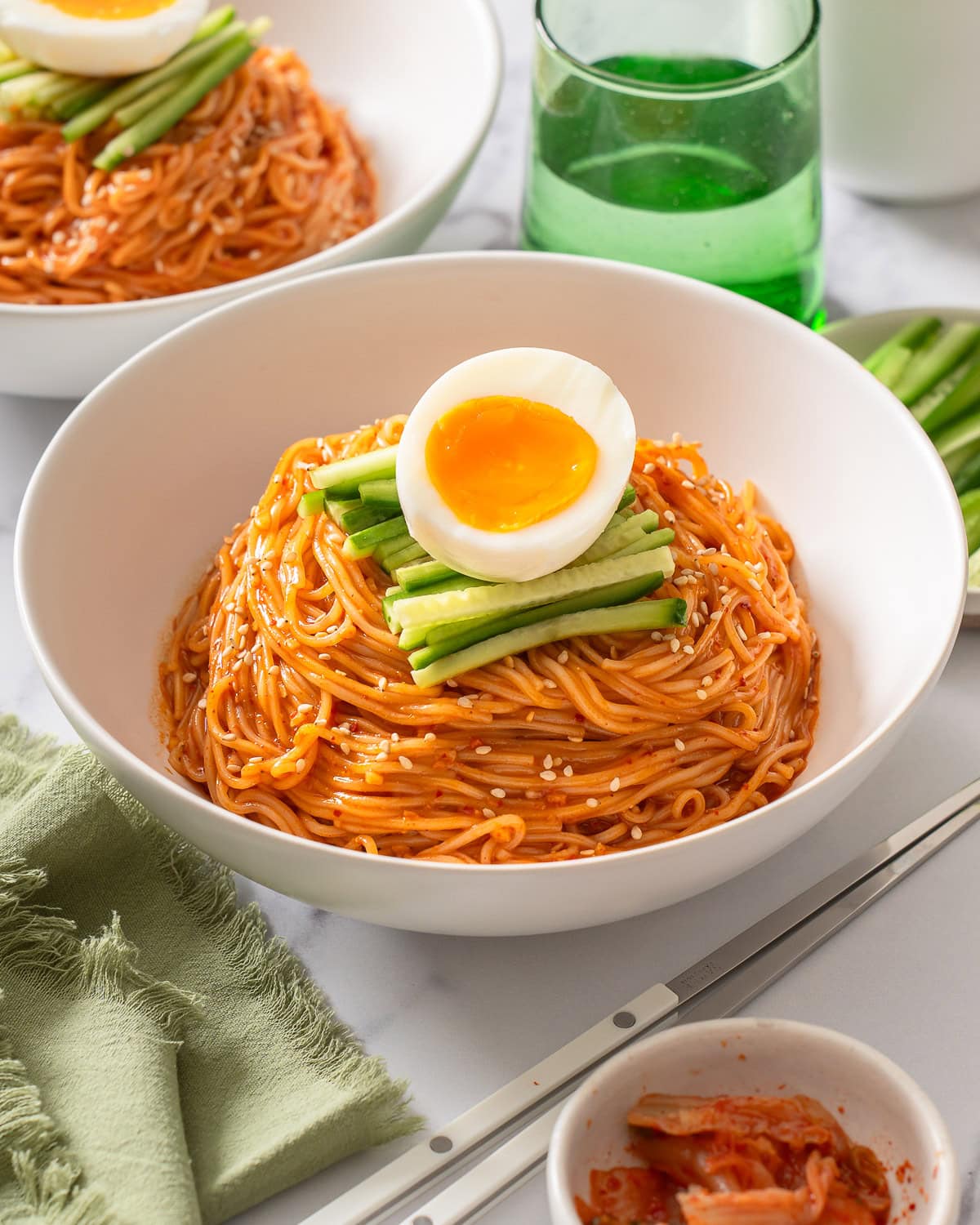
Thin, dried somyeon or somen noodles work well with this sauce because they have the chewy texture preferred in bibim guksu․ Bibim guksu is a Korean cold noodle dish featuring cooked wheat noodles mixed with gochujang sauce that has sweet, sour, spicy, and salty flavors and served with cucumber slices and soft-boiled eggs․ The sauce contains gochujang and gochugaru for a spicy kick and other ingredients such as soy sauce, rice vinegar, honey, garlic, sesame oil, and crushed sesame seeds․ The noodles absorb many flavors in the sauce, including salty, sweet, sour, garlicky, and nutty flavors․ Other toppings mentioned for this dish include sliced cucumber, kimchi, a soft-boiled egg, and more sesame seeds․ Sliced cucumber provides a crunchy texture to this dish․ This dish is particularly well suited for hot weather․ Boil water and prepare the somyeon according to package instructions․ Rinse cooked somyeon in ice water and drain well to cool completely․ Separate the noodles before adding the sauce․ Common preparation problems with this recipe include wet noodles that release liquid and do not fully absorb the sauce․ Preparing the sauce ahead of time can help ensure that cold noodles are evenly coated with the sauce․ Serve cold noodles for lunch or dinner as a complete meal or side dish with other Korean foods, including protein and rice and soup dishes listed in the article․ Leftovers can be refrigerated in a covered container and served cold․ Gently stir noodles before eating to mix any sauce that has settled on them․
3. Orange Chicken with Crisp Double-Fried Chicken and Fresh Orange Sauce
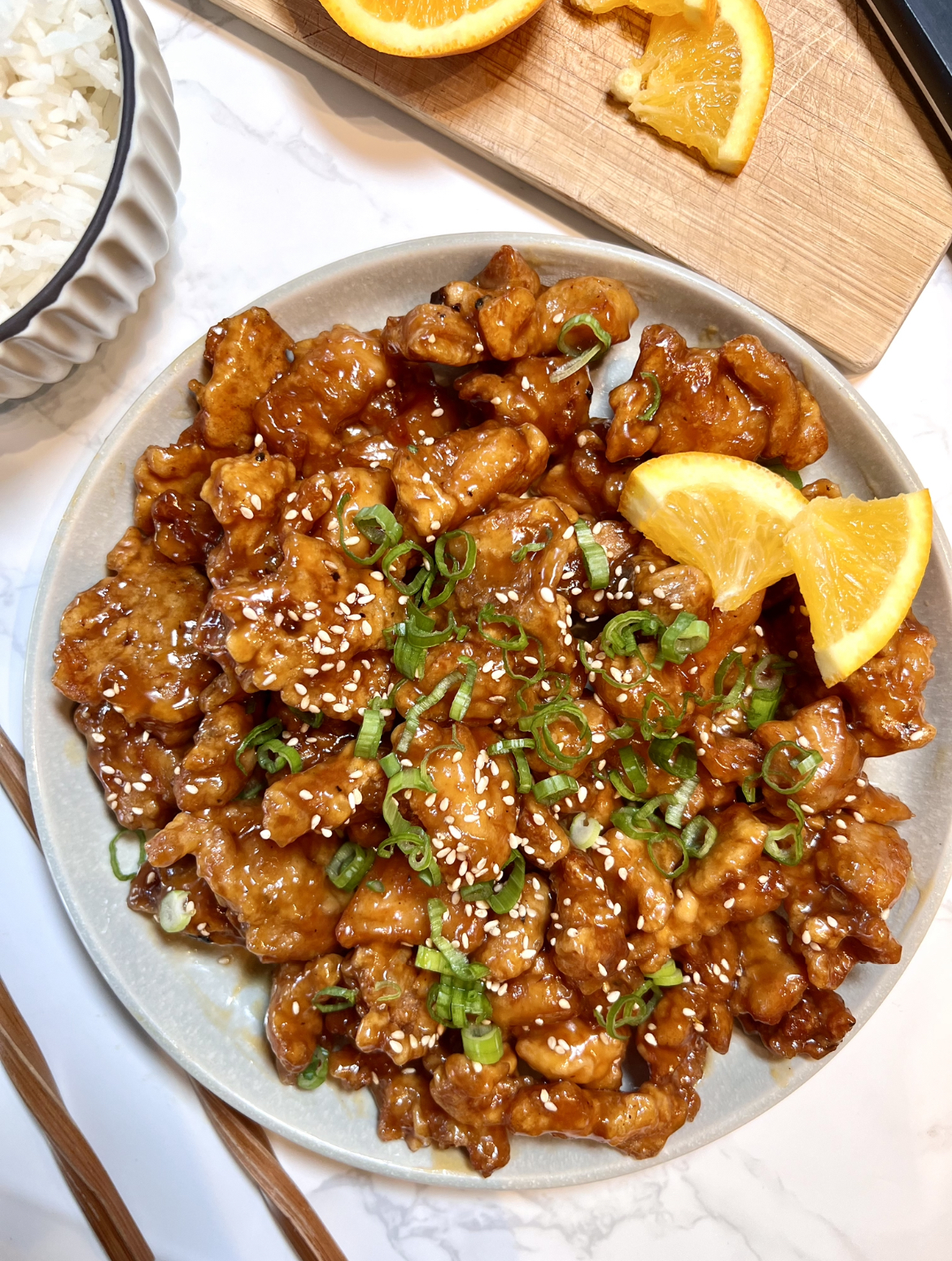
This 40-minute orange chicken dish made with a light batter and pan sauce closely mimics food you might order from a restaurant․ Breaded chicken thighs are fried and then sauced with a thick sauce made with soy sauce‚ ginger‚ garlic‚ rice vinegar‚ and other ingredients․ Serve right away․ The batter contains cornstarch and flour combined with egg whites‚ soy sauce‚ sesame oil‚ white pepper‚ and water․ The batter's cornstarch and flour help create a crumbly coating on the chicken․ Fresh orange juice is a main ingredient in the sauce․ Brown sugar‚ soy sauce‚ vinegar‚ shaoxing wine‚ ginger‚ and garlic are added to the sauce for flavor․ The first fry at 330-340 F cooks the chicken thoroughly․ An optional second fry at 375 F browns the chicken more․ It is suggested to let the chicken rest for 15 or more minutes on a wire rack between the first and second frying steps if you plan another frying step․ Overcrowding the fryer reduces the oil temperature and can leave the coating soggy instead of crisp․ Serve the chicken right away after frying to ensure a crispy batter․ Other dishes to serve with chicken include jasmine rice‚ fried rice‚ and steamed or stir-fried carrots‚ celery‚ broccoli‚ and mushrooms․ You can reheat leftover chicken‚ but the batter will not be as crispy as it was after frying․
4. Korean Beef Bowls with Sweet-Salty Garlic Ginger Sauce
Dinner is ready in 30 minutes using 10 minutes of preparation time and a skillet․ Korean beef bowls contain ground beef‚ rice‚ and a garlic-flavored‚ spicy‚ sweet‚ and salty sauce․ The dish also includes ginger․ Sliced cucumber and carrot are added for a fresh flavor․ Ground beef is cooked with fresh garlic and ginger․ These items and others are also used to make the sauce: soy sauce‚ brown sugar or honey‚ gochujang or chili garlic sauce‚ rice vinegar‚ red pepper flakes‚ and possibly sesame oil․ Ground beef is served with rice and fresh cucumber‚ carrot‚ and green onion slices as garnishes․ The sauce in the pan will start to thicken around the meat crumbles after two to three minutes of cooking․ Mix and crumble the meat to combine all ingredients and flavors while cooking over medium heat․ One key mistake to avoid when making this dish is adding rice vinegar with chili garlic sauce; rice vinegar is not an ingredient in this dish when using chili garlic sauce․ Build bowls with rice and beef‚ and cucumbers‚ carrots‚ and green onions․ Other options include kimchi‚ sesame seeds‚ a fried egg‚ and spicy mayonnaise․ To make service faster‚ keep the beef and rice separate and assemble bowls with vegetables at the time of service․
5. Black Pepper Chicken with Tender Chicken Breast and Crisp Bell Peppers
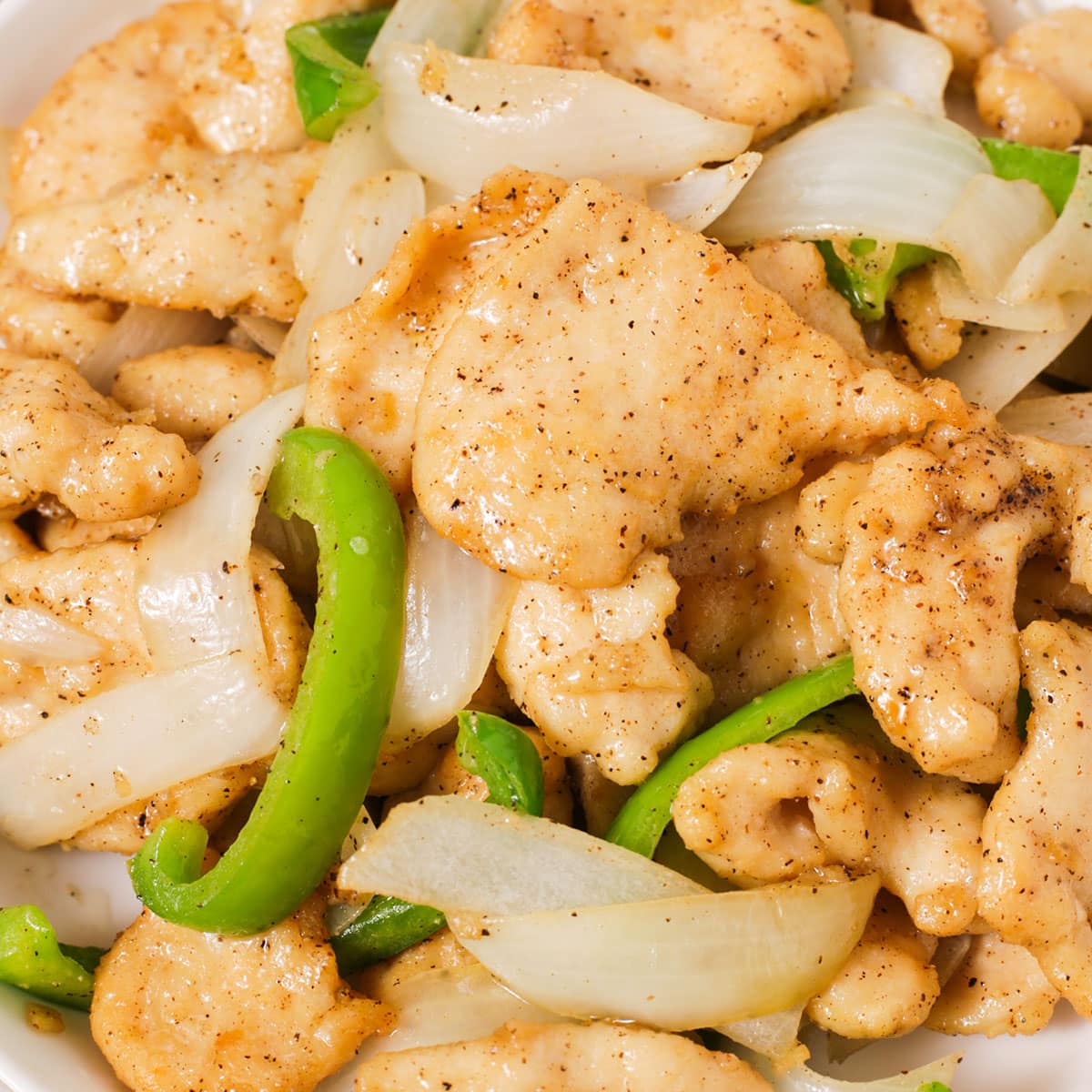
Ready in 25 minutes, black pepper chicken is a simple dish made with everyday ingredients․ Sliced chicken breast is tender․ Sautéed onions and green peppers provide texture to a buttery black pepper sauce․ The chicken breast is marinated in water, Shaoxing wine, baking soda, cornstarch, and oil before cooking․ Marination eliminates the need for sauce on the chicken breast․ Butter and garlic are added to the stir-fry to build the pan flavor․ Shaoxing wine, black pepper, salt, sugar, chicken bouillon powder, and MSG, if used, are added to the stir-fry to season the dish․ Cook the chicken in smaller batches to avoid steaming and more even cooking in the pan․ Pale yellow chicken is not a problem and doesn't need to be browned․ Cook the vegetables for up to 1 minute to keep them from becoming limp and soggy․ Stir the chicken and other dry ingredients immediately after adding them to avoid overly seasoned pepper and bouillon flavors․ Serve chicken stir-fry hot with steamed white rice or egg fried rice․ To serve leftover chicken stir-fry, refrigerate until cold and store in a covered container․ To reheat leftover chicken stir-fry, cover and heat in the microwave or on the stove over medium to medium-high heat until fully reheated․
6. General Tso’s Chicken with Glossy Sweet Soy-Vinegar Sauce
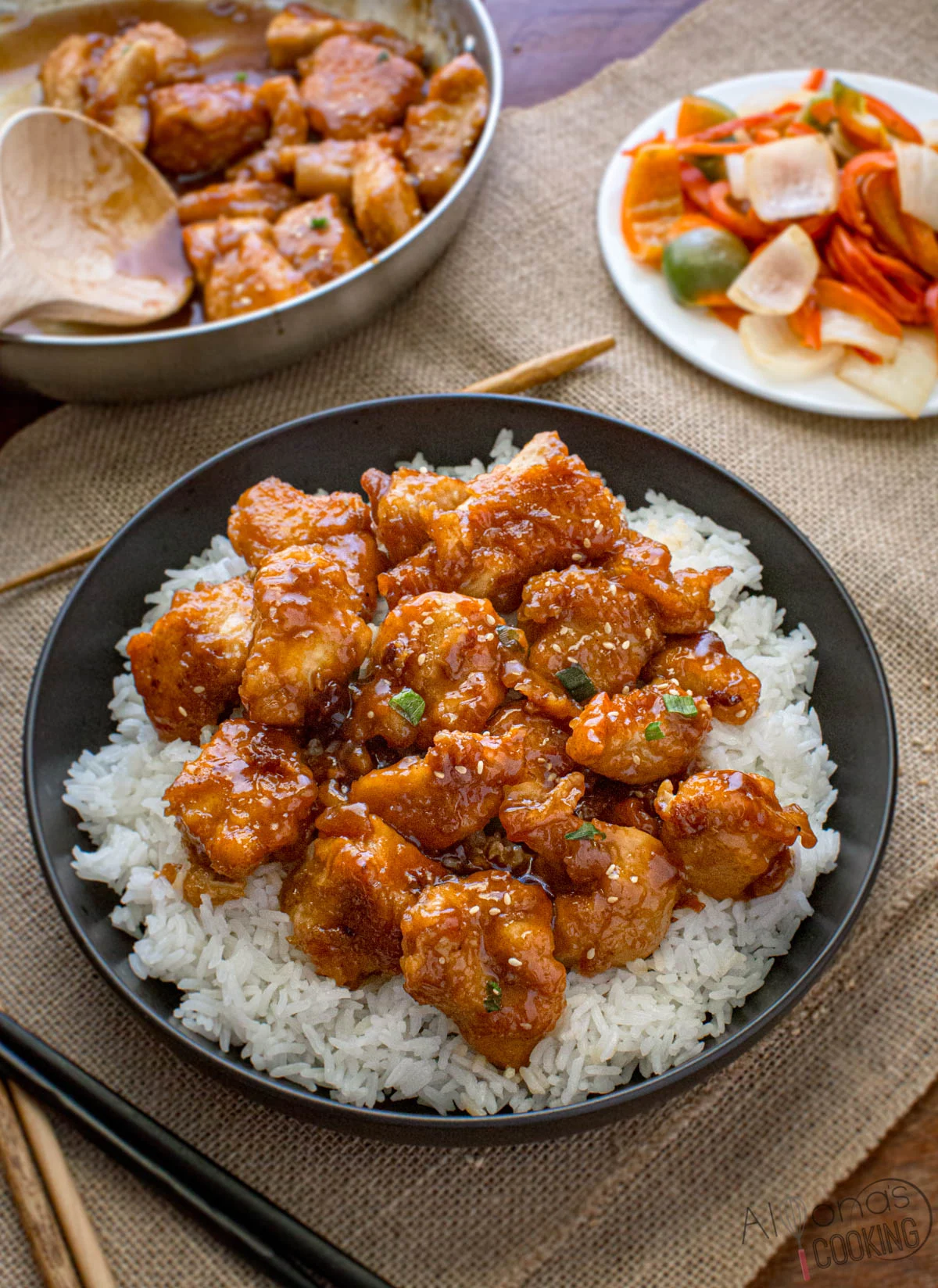
Serve this dish to customers seeking a meal they can eat at home but not a takeout meal․ General Tso's chicken includes battered and fried chicken chunks served with a sweet soy and vinegar sauce and optional crushed red pepper for a spicy touch․ Serves eight․ Takes 25 minutes to prepare․ The breading ingredients are cut chicken breasts‚ all-purpose flour‚ paprika‚ garlic salt‚ and cornstarch in place of all-purpose flour․ Frying the chicken in multiple batches helps the breading stick and brown․ Additional ingredients for the sauce are sugar‚ water‚ white distilled vinegar‚ salt‚ soy sauce‚ and chili pepper flakes to taste․ White distilled vinegar helps flavor the otherwise sweet sauce․ Simmering the sauce and chicken together instead of using a cornstarch slurry helps thicken the sauce․ Measure ingredients to cook with chicken‚ as simmering time is short․ Most of the chicken cooking will occur in the sauce during and after frying․ The sauce is ready when it has simmered for about 12 minutes and is glossy on the chicken․ One common error when preparing this recipe is serving it before the sauce has reduced; the sauce should simmer uncovered․ Cook chicken in batches to avoid undercooking the breading․ Serve chicken over rice․ Chicken Lo Mein is another topping to complement the chicken and rice dish․ Other serving options mentioned in the article are steamed broccoli‚ which you can make by placing broccoli florets in a colander over a pot of simmering water to steam for seven minutes․ Consider using the same pot to make both the sauce and broccoli․ Garnish with sesame seeds or green onions‚ if desired․
7. Korean Beef Rice Bowls With Creamy Gochujang Mayo and Kimchi
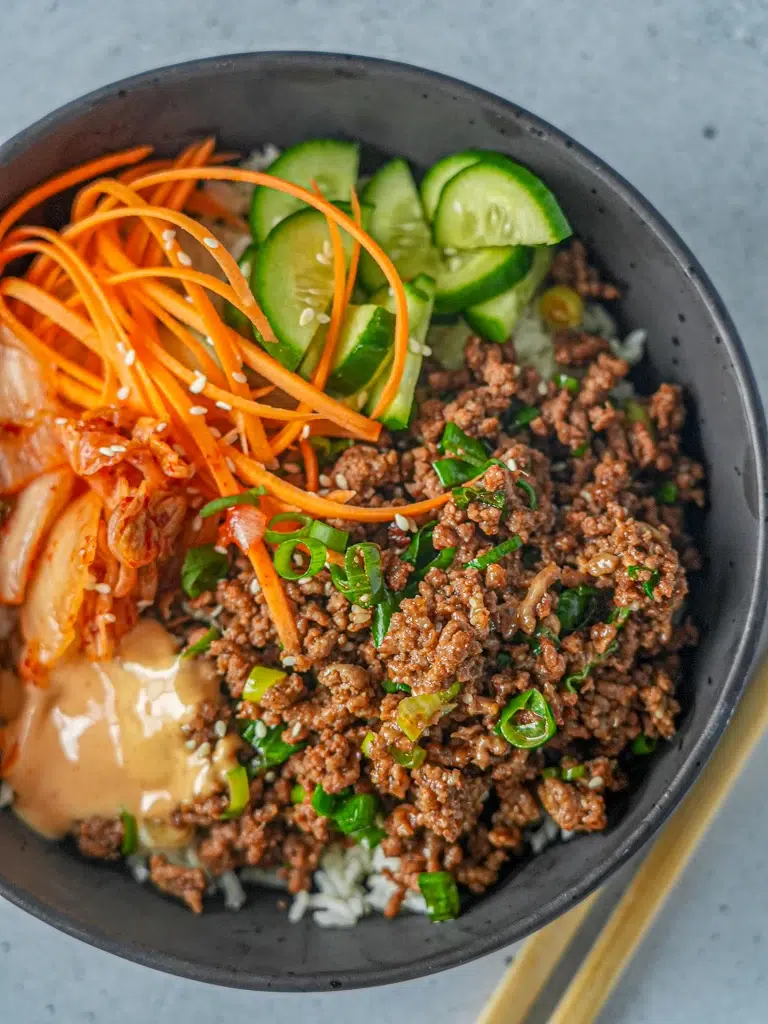
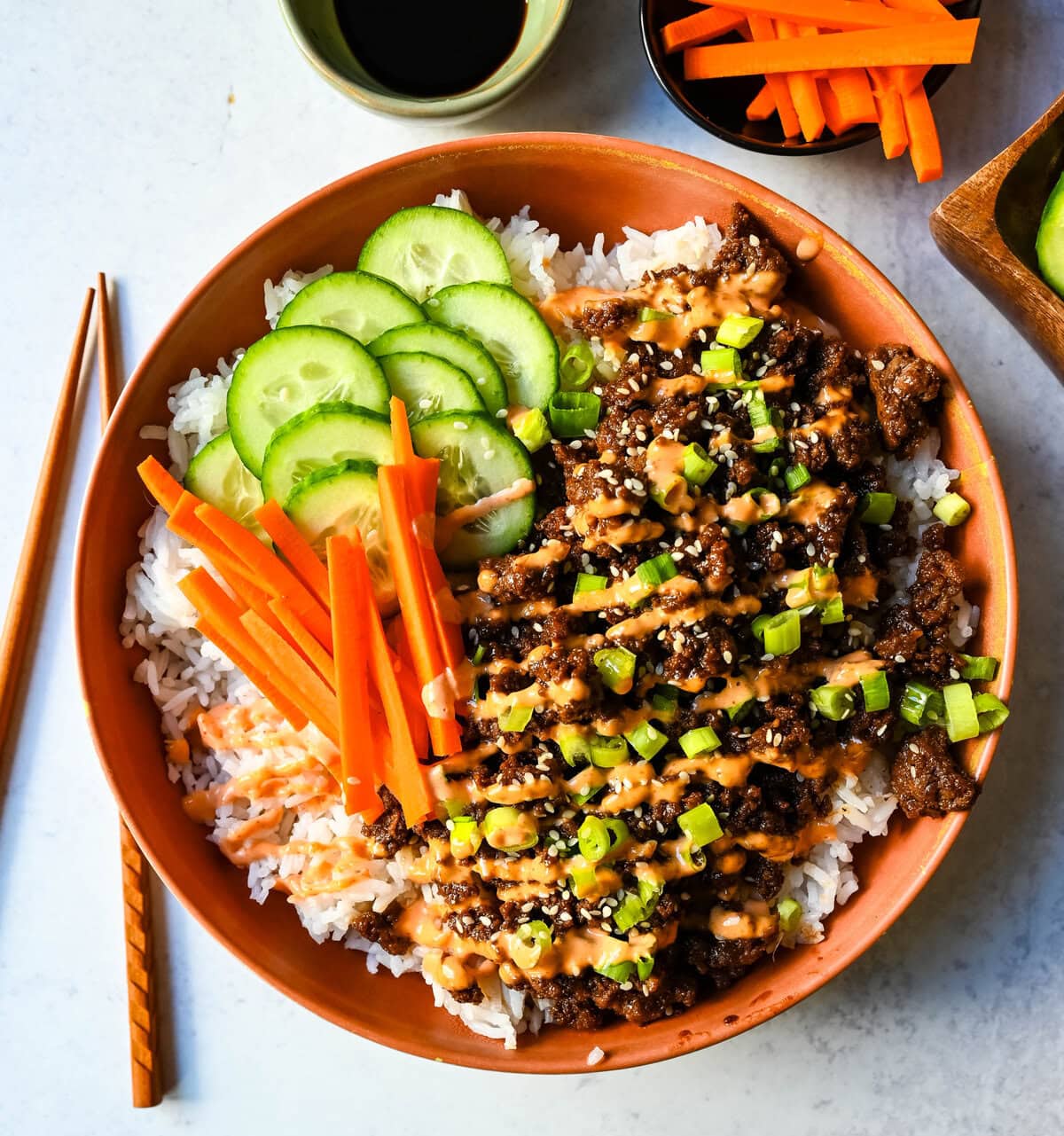
Prep the beef and vegetables and flavored mayonnaise ahead of time for meals․ Have cooked rice and other toppings ready to build quick bowls․ Ingredients for Korean Beef Rice Bowls include minced beef seasoned with garlic, ginger, soy sauce, and gochujang, along with kimchi and other vegetables such as carrots and cucumbers․ The stir-fry sauce consists of garlic and ginger purees mixed with soy sauce, brown sugar, sesame oil, gochujang, rice vinegar, and sesame seeds․ Stir-fry sauce is poured over browned beef in the bowl for sweet, sour, and spicy flavors․ Whole-egg mayonnaise tossed with gochujang, rice vinegar, and sesame oil is drizzled over the final dish for a creamy texture, as well as jasmine rice and other vegetables․ Cook the ground beef over medium-high heat, breaking it up until browned, and stir in the sauce․ Simmer the beef and sauce together for a short time․ The final dish should be moist but not soupy, with a thin coating of sauce on the browned beef․ A common problem with this recipe is using too much gochujang․ Use less gochujang if needed․ For meal assembly, keep the cooked beef, dressing, and other cooked and raw ingredients separate to keep the cucumbers and carrots crunchy․ Reheat the beef before serving in bowls with raw kimchi and other vegetables․ Leftover beef can be used in lettuce wraps, sushi, and noodle dishes․